


Many overlook simple mistakes that can derail your fasting efforts, like neglecting proper meal planning, which leads to overeating or poor food choices. Dehydration often sneaks in, causing hunger and fatigue, while environmental stressors or stress-related cravings can make sticking to your routine harder. Without strategies like hydration, a structured schedule, and stress management, your progress slows. Stick with me, and you’ll discover all the pitfalls holding you back—and how to avoid them effectively.
Key Takeaways
- Neglecting proper meal planning can lead to overeating or poor food choices, undermining fasting benefits.
- Skipping hydration or not replenishing electrolytes may cause dehydration, fatigue, and increased hunger.
- Overemphasizing calorie restriction without balanced nutrients can result in nutrient deficiencies and decreased energy.
- Ignoring individual energy rhythms and not timing meals strategically can hinder metabolic efficiency.
- Relying solely on external cues instead of listening to your body’s hunger signals increases the risk of overeating or deprivation.

Intermittent fasting has become a popular approach to weight management and health improvement, but many people make simple mistakes that can undermine their efforts. One of the most common pitfalls is neglecting proper meal planning. When you skip meals or eat randomly during your eating window, you risk feeling overly hungry, which can lead to overeating or poor food choices. A well-thought-out meal plan ensures you consume nutrient-dense foods that keep you satisfied and energized. It’s important to include a balance of proteins, healthy fats, and complex carbs to sustain your fasting periods and prevent cravings. Without proper planning, you might find yourself reaching for convenient, processed foods that sabotage your progress. Developing a meal schedule helps you stay on track and avoid impulsive eating, which can diminish the benefits of fasting. Incorporating meal timing strategies can further optimize your fasting results by aligning your food intake with your natural energy rhythms.
Alongside meal planning, hydration strategies play an essential role in successful intermittent fasting. Many people underestimate how much water they need, especially since fasting can sometimes dull your sense of thirst. Dehydration not only causes discomfort like headaches and fatigue but can also be mistaken for hunger, leading you to eat when your body simply needs fluids. To avoid this, you should set a hydration routine, drinking plenty of water throughout your fasting window and during your eating periods. Including herbal teas or adding electrolytes to your water can also be beneficial, especially if you notice symptoms of dehydration or electrolyte imbalance. Proper hydration helps regulate hunger hormones, keeps your energy levels stable, and supports overall health during fasting. Additionally, understanding the importance of essential oils and proper storage can help you create a calming environment that promotes better adherence to your fasting routine and reduces stress-related cravings. Ensuring you are aware of city-specific resources and support networks can also make your fasting journey more manageable and sustainable. Maintaining awareness of nutrient timing and balance can further enhance your fasting results by optimizing your nutrient intake at strategic moments.
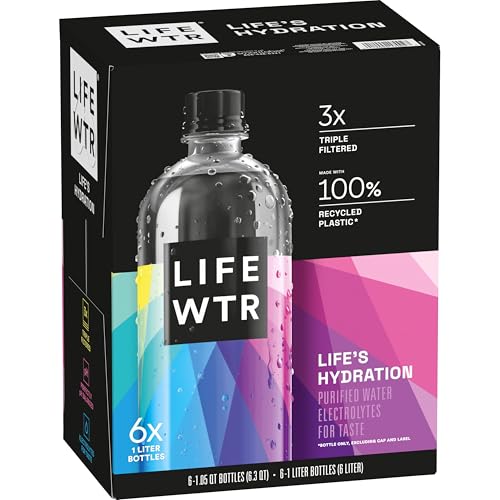
LIFEWTR Premium Purified Water, pH Balanced with Electrolytes, 100% recycled plastic bottles, 33.8 Fl Oz, 1L (Pack of 6)
Includes 6 (1L) bottles of LIFEWTR Premium Purified, pH balanced with Electrolytes Water
As an affiliate, we earn on qualifying purchases.
As an affiliate, we earn on qualifying purchases.
Frequently Asked Questions
Can Intermittent Fasting Cause Long-Term Health Issues?
Intermittent fasting can cause long-term health issues if you’re not careful. You might experience hormonal disruption, which affects your metabolism and overall well-being. There’s also a risk of nutrient deficiency if you don’t eat balanced meals during your eating windows. To avoid these problems, listen to your body, guarantee proper nutrition, and consult a healthcare professional. This way, you can enjoy fasting benefits without risking your health.
Is Intermittent Fasting Safe for Pregnant Women?
Like a delicate bloom, pregnancy concerns demand careful nurturing. You shouldn’t fast during pregnancy because it can interfere with essential nutritional needs, risking your baby’s development. Your body needs steady fuel to support both you and your baby, so skipping meals or fasting could cause deficiencies. Always consult your healthcare provider before making any dietary changes, ensuring you’re safeguarding your health and that of your little one.
How Does Intermittent Fasting Affect Mental Health?
Intermittent fasting can impact your mental health by influencing mental clarity and emotional stability. You might experience sharper focus and increased energy during fasting periods, but it can also cause mood swings or irritability if you’re not careful. Pay attention to how your body responds, and make sure you’re maintaining balanced nutrition. If you notice negative effects, consider adjusting your fasting schedule to support both your mental clarity and emotional well-being.
What Are the Best Fasting Schedules for Beginners?
When starting intermittent fasting, choose a schedule that fits your lifestyle and goals. For beginners, a popular approach is the 16/8 method, where you fast for 16 hours and eat during an 8-hour window, focusing on meal timing. Keep fasting duration manageable to prevent burnout, and gradually increase it as your body adjusts. This approach helps you build consistency and makes fasting more sustainable.
Can Intermittent Fasting Improve Athletic Performance?
You might think intermittent fasting hinders athletic performance, but it can actually enhance it if you focus on meal timing and workout optimization. By carefully scheduling your workouts during your eating window and ensuring proper nutrition, you can improve energy levels and recovery. Fasting helps your body adapt to fat burning, boosting endurance. Just listen to your body, adjust your schedule as needed, and you’ll see performance benefits without sacrificing strength or stamina.

GoodCook Meal Prep Containers, Single Compartment 10-Pack, BPA-Free Reusable Food Storage, Black, Microwave & Freezer Safe, Stackable Meal Prep Containers for Lunches and Snacks
REUSABLE MEAL PREP CONTAINER SET: Includes 10 pre-portioned containers and 10 lids, perfect for lunches and snacks
As an affiliate, we earn on qualifying purchases.
As an affiliate, we earn on qualifying purchases.
Conclusion
Avoiding common mistakes in intermittent fasting can make all the difference. Did you know that nearly 40% of people give up within the first month? By staying mindful of hidden pitfalls like overeating during eating windows or neglecting hydration, you set yourself up for success. Remember, consistency beats perfection. Keep these tips in mind, and you’ll improve your chances of reaching your health goals faster and more sustainably.

QLUR Water Bottle with Straw, 32oz Motivational Water Bottles with Time Marker to Drink, Tritan BPA Free, 1L Sports Water Bottle with Carry Strap LeakProof for Women Gym Fitness Outdoor (1 Pack)
Motivational Time Marker: QLUR 32 oz Water Bottles as your daily partner is designed with motivational quotes by…
As an affiliate, we earn on qualifying purchases.
As an affiliate, we earn on qualifying purchases.

Stress Relief Essential Oil Blend 30 ml – Stress Relief & Calm Essential Oil for Diffusers & Aromatherapy – Promotes Relaxation & Rest – Nexon Botanics
Comforting Aroma: It helps create a fresh and pleasant ambiance.
As an affiliate, we earn on qualifying purchases.
As an affiliate, we earn on qualifying purchases.