


To be honest without being harsh, focus on clear, factual communication paired with kindness. Use calm tones and “I” statements to express your feelings without blaming or criticizing. Highlight specific behaviors and offer constructive suggestions instead of personal attacks. Practice active listening and validate the other person’s perspective, creating a safe space for honest dialogue. By choosing your words thoughtfully, you strengthen trust and connection—if you keep exploring, you’ll discover more ways to communicate with compassion and confidence.
Key Takeaways
- Use calm, respectful tone and body language to convey honesty gently.
- Frame feedback with “I” statements to focus on feelings and observations, not accusations.
- Highlight specific behaviors and suggest constructive improvements instead of generalizations.
- Choose private settings and appropriate timing to ensure a receptive environment.
- Acknowledge the other person’s efforts and perspective to foster understanding and trust.

Honesty is an essential part of building trust and maintaining healthy relationships, but delivering it without coming across as harsh is an art that requires skill and empathy. You want to be truthful, yet you also need to contemplate how your words will be received. This is where constructive feedback and gentle communication come into play. Instead of delivering criticism bluntly, you can frame your honesty in a way that encourages growth rather than defensiveness. Focus on the facts and specific behaviors, avoiding personal attacks or generalizations. When you approach conversations with kindness and clarity, your honesty becomes a tool for connection, not conflict.
Honest communication fosters trust and connection when delivered with kindness and clarity.
To master this skill, think about your tone and your choice of words. Even when discussing sensitive topics, speak in a calm, respectful manner. Use “I” statements to express your feelings without sounding accusatory—say, “I noticed…” or “I feel…” rather than “You always…” or “You never…” This helps keep the conversation from becoming confrontational. When providing feedback, aim to be constructive by highlighting what can be improved and offering suggestions rather than just pointing out what’s wrong. This approach shows that your intention is to support, not to criticize.
Gentle communication isn’t about softening the truth to the point of dishonesty; it’s about delivering it thoughtfully. You can acknowledge the other person’s effort or perspective before sharing your honest opinion. This illustrates respect and creates a safe space for dialogue. Remember, the goal isn’t to avoid difficult conversations but to handle them in a way that fosters understanding and trust. When you practice active listening, you validate the other person’s feelings, which makes it easier for them to accept honest feedback. Additionally, understanding the importance of long-term structure helps in developing consistent and effective communication habits over time.
Being honest without being harsh also means being mindful of timing and setting. Choose a private, comfortable environment for sensitive discussions, so the person doesn’t feel exposed or humiliated. Pay attention to non-verbal cues, like body language and facial expressions, to gauge how your words are being received. If you notice signs of discomfort, consider pausing or rephrasing. Over time, your ability to communicate honestly with kindness will strengthen your relationships, making them more genuine and resilient. With patience and practice, you’ll find that honesty, paired with gentle communication, becomes a powerful way to build trust and foster mutual respect. Recognizing the significance of effective communication as part of this process can greatly enhance your interpersonal skills and overall relationship quality.

Ear Training Basics Teacher Book Levels Prep-3
As an affiliate, we earn on qualifying purchases.
As an affiliate, we earn on qualifying purchases.
Frequently Asked Questions
How Can I Tell if My Honesty Is Too Harsh?
You can tell if your honesty is too harsh by paying attention to the other person’s reactions and emotional cues. If they seem defensive or upset, it might be time to adjust your approach. Use constructive feedback instead of blunt criticism, and practice emotional intelligence by considering their feelings. Being honest doesn’t mean you have to be harsh; framing your honesty kindly fosters trust and understanding.
What Are Some Common Mistakes When Being Honest?
One common mistake when being honest is not considering the other person’s emotional intelligence, which can lead to unintended hurt. You might give constructive feedback insensitively, making it sound like criticism rather than helpful advice. Avoid blunt honesty without empathy, and instead, aim for clarity combined with kindness. Remember, honesty should uplift and guide, not belittle or discourage. Focus on your tone and timing to communicate effectively.
How Do Cultural Differences Affect Honesty and Tact?
Cultural differences markedly influence honesty and tact because cultural norms shape what’s considered polite or direct. In some cultures, direct communication styles are appreciated, while others prioritize indirectness to maintain harmony. You should adapt your honesty approach based on these norms, balancing honesty with tact. Paying attention to cultural cues helps you deliver honest feedback without offending, showing respect for diverse communication styles and fostering better understanding across cultural boundaries.
Can Honesty Damage Relationships Even When Delivered Gently?
Honesty can sometimes damage relationships even when you deliver it gently because of its emotional impact. If your honesty touches on sensitive issues or is perceived as unnecessary, it might hurt trust building rather than strengthen it. You should consider the timing and context, ensuring your honesty is respectful and compassionate. By doing so, you minimize harm and foster understanding, helping to maintain a healthy, honest connection.
How Do I Stay Honest Without Offending Others?
Think of honesty as a delicate thread spun with empathy. To avoid offending, develop empathy by truly understanding others’ feelings. When giving feedback, frame it constructively, like guiding a garden’s growth rather than pulling weeds. Speak clearly but kindly, focusing on how your words can help, not hurt. This approach keeps honesty a nurturing tool, strengthening bonds instead of breaking them.
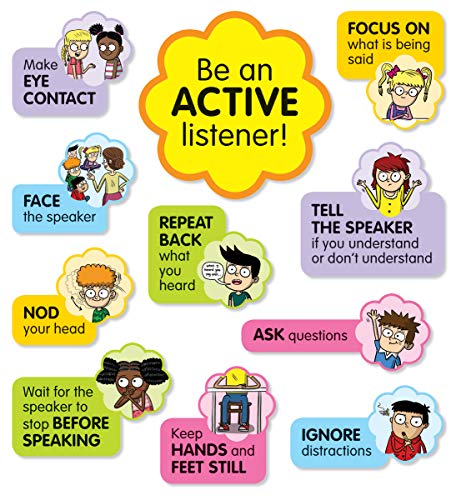
Bulletin Board: Active Listening
- Purpose: Supports social-emotional learning
- Design: Bright and colorful
- Type: Interactive bulletin board
As an affiliate, we earn on qualifying purchases.
As an affiliate, we earn on qualifying purchases.
Conclusion
Mastering honesty without cruelty transforms your relationships into unbreakable bonds, capable of withstanding the fiercest storms. When you choose kindness over harshness, you become an unstoppable force of genuine connection, turning every conversation into a masterpiece of trust. Your words, like gentle rain, nourish rather than drown, ensuring your honesty leaves a lasting legacy of respect and understanding. Embrace this skill, and watch your world elevate to heights you never imagined possible—truth and kindness in perfect harmony.

Brave Families: The Ultimate Guide to Long-Lasting, Loving Relationships
As an affiliate, we earn on qualifying purchases.
As an affiliate, we earn on qualifying purchases.

Thanks for the Feedback: The Science and Art of Receiving Feedback Well
As an affiliate, we earn on qualifying purchases.
As an affiliate, we earn on qualifying purchases.