

TL;DR
Thanksgiving hosting essentials start with confirming your guest count, asking about dietary needs or allergies, and choosing a manageable menu with make-ahead dishes. Build a cooking schedule, use a thermometer to check the turkey reaches 165°F (74°C), set up serving areas before guests arrive, and refrigerate leftovers within two hours.
The turkey may be the biggest thing in your oven, but the guest list is what should shape your Thanksgiving plan. A head count of eight calls for different portions, seating, and serving space than a head count of fourteen. A little planning early can keep the kitchen from turning into a game of hot-pan musical chairs.

Get the little things that make your day delivered free with Prime
- Fast, free delivery on millions of items
- Prime Video, Amazon Music and more included
- Member-only deals all year
These Thanksgiving hosting essentials help you plan a meal that feels warm and personal without making every dish from scratch. You’ll learn how to build a menu around your guests, schedule limited oven space, handle turkey and leftovers safely, and make a home feel welcoming even when the dining room is small. The aim is a meal where you can sit down, too.
Confirm attendance and ask about dietary needs or allergies before finalizing the menu.
Choose a few meaningful homemade dishes and make a schedule for oven use, reheating, and room-temperature sides.
Thaw turkey in the refrigerator for about 24 hours per 4–5 pounds and check 165°F (74°C) in the breast, thigh, and wing.
Set out serving utensils, labels, drinks, and a coat spot before guests arrive.
Refrigerate perishable leftovers within two hours, or within one hour above 90°F (32°C).
Start with your guest count and a menu you can actually serve
Thanksgiving hosting essentials begin with a confirmed guest count and a menu sized to match. Ask people to reply by a date that gives you time to shop, then ask about dietary needs or allergies before you settle on dishes. Those answers shape more than the shopping list: they can determine whether a guest can eat the main dish, how much seating you need, and whether you should label ingredients. Asking early gives you time to make a useful adjustment instead of improvising at the table.
For example, if twelve people are coming and one guest is vegetarian, you might serve a smaller turkey alongside a hearty lentil and squash dish that everyone can share. A substantial shared option lets the vegetarian guest join the meal without requiring a separate full menu, though you should check ingredients and preparation details if there are allergies or strict dietary needs. A few dishes with clearly labeled ingredients can make the table easier for everyone to navigate.
Make a list of mains, sides, desserts, and drinks, then mark each dish as homemade, store-bought, or brought by a guest. This makes the workload visible: several dishes needing the oven at once may be a bigger problem than the number of recipes. Choose a few dishes that matter most to you—perhaps your grandmother’s stuffing and a tart cranberry sauce—and simplify the rest. A good bakery pie can free up an hour and an oven rack; the tradeoff is spending a little money to protect time and cooking space.
When someone offers to help, give them a specific job: bring ice, pick up rolls, or arrive early with a serving bowl. A defined task fills a real need and avoids duplicate dishes, which can be awkward when storage and table space are limited. Shared work can make the gathering feel more like a neighborhood meal than a solo kitchen shift.
Popular right now

Vitamix 5200 Blender with 64 oz Container, Black

KitchenAid 3-Piece Pasta Roller and Cutter Set for Stand Mixers
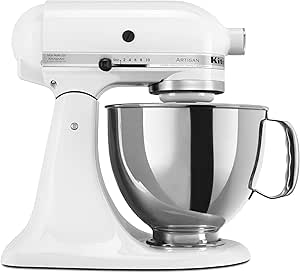
KitchenAid Artisan 5-Quart Tilt-Head Stand Mixer, White
As an affiliate, we earn on qualifying purchases.
Build a cooking schedule that prevents an oven traffic jam
A cooking schedule shows what needs the oven, when it needs it, and whether you can make it ahead. Write down each dish’s temperature and cook time, then work backward from when you plan to eat. This matters because oven space is a shared bottleneck: two dishes may both be simple, yet impossible to cook together if they need different temperatures or the same rack. If the turkey needs the oven most of the day, pick sides that can be reheated, cooked on the stovetop, or served at room temperature.
Imagine dinner is at 4 p.m. and your oven can only hold the turkey. You could bake a squash casserole the night before, chill it safely, and warm it while the turkey rests. That saves oven space during the busiest stretch, but it requires refrigerator room and time to reheat the dish thoroughly. A bright salad can wait in the refrigerator, while mashed potatoes stay warm on the stovetop. The plan turns a last-minute scramble into a sequence you can follow, while making the tradeoffs visible before the kitchen fills up.
- Choose a serving time and list each dish beside it.
- Mark oven temperature, cook time, and equipment for every hot dish.
- Move suitable prep earlier, with a storage and reheating plan.
- Leave a buffer for a late guest, a slow oven, or a turkey that needs more time.
Make-ahead food only helps when you know where it will go and how you’ll reheat it. Keep perishable dishes refrigerated until needed, and avoid filling every shelf with pans that block the refrigerator door. A handwritten schedule taped to a cabinet can keep everyone working from the same plan; it also makes it easier to spot a conflict, such as two dishes that need the same burner, before dinner is waiting.
Cook the turkey safely with a thermometer, not a guess
Thanksgiving hosting essentials include safe thawing and checking the turkey’s temperature in several places. Thaw a frozen bird in the refrigerator, allowing about 24 hours for every 4–5 pounds. A 16-pound turkey therefore needs roughly four days to thaw. Planning backward from cooking day matters because a partly frozen bird may cook unevenly and disrupt the meal schedule. If you use the cold-water method, keep the turkey sealed and change the water every 30 minutes; never thaw it on the counter.
Cooking time varies with the turkey’s weight, oven temperature, whether it is stuffed, and how accurately the oven heats. A pop-up timer or a recipe’s hour estimate can help you plan, but neither tells you for sure that the thickest parts have reached a safe temperature. That distinction matters: serving on schedule is useful, but a time estimate cannot confirm that the whole bird is safely cooked. Use a food thermometer instead.
Check the thickest part of the breast and the innermost thigh and wing. Each should reach 165°F (74°C). For instance, if the thigh reads 165°F but the breast reads 158°F, keep cooking and check again; different parts can heat at different rates, so one reading does not establish that the entire turkey is ready. Give yourself some schedule flexibility for this reason.
Use the thermometer reading to decide when the turkey is done. Timing helps you plan dinner; temperature helps you check safety.
That extra check may feel less festive than a golden platter, but it takes only a moment and gives you a more dependable answer. Set the thermometer beside your carving board before guests arrive so you do not have to hunt through a crowded drawer. Keeping it within reach makes it more likely you will check each needed spot, even when the kitchen is busy.
Set up serving areas that make guests feel at home
A clear table and serving area help guests find what they need without crowding the kitchen. Before people arrive, count plates, glasses, utensils, napkins, and serving spoons. Set out a serving utensil for each dish, especially when ingredients differ, and use a small label to flag nuts, dairy, gluten, or meat where they may not be obvious. This helps guests make informed choices without needing to interrupt the host, though labels are a prompt to ask about ingredients rather than a substitute for checking a serious allergy.
Think about how people will move through your home. In a small apartment, putting drinks on a side table can keep the kitchen doorway free while the host finishes cooking. The extra station uses some floor or table space, but it can prevent a bottleneck where guests, hot pans, and the cook all need the same narrow path. A basket near the entrance gives coats and bags a place to land instead of piling up on chairs needed for dinner.
For a buffet, put plates first, then the main dish and sides, with napkins and cutlery at the end. That way guests are not trying to balance a plate while reaching backward for a fork. If you have a long dining table, keep the centerpiece low and compact so people can see each other and pass the potatoes. Serving order and a clear line matter most when people have limited space to move around one another.
Comfort comes from small, practical choices: a pitcher of water within reach, a chair with space around it, or a quiet spot where someone can step away from the conversation. A candle and a few colorful leaves can make a table feel seasonal without taking up elbow room. Guests remember how easy it felt to join in, and that ease usually comes from making everyday needs simple to handle.
Keep the meal manageable on a tight budget or in a small kitchen
You can host Thanksgiving on a budget by simplifying the menu, sharing tasks, and using what you already own. Everyday plates, folded cloth napkins, and a bowl of apples can look warm on a table without sending you shopping for matching decorations. Seasonal ingredients and locally available produce can help you build the meal around what is easy to find, though availability and prices vary by location. Planning around accessible ingredients can reduce last-minute shopping as well as cost.
Say your kitchen has one oven, two burners, and little counter space. A buffet-style meal can work better than carrying every plate to a crowded table. You might roast the turkey, ask a guest to bring dessert, and serve a salad that needs no oven at all. A potluck can spread cost and cooking across the group, but it also means coordinating arrival times, serving dishes, and any dietary needs. Asking guests to bring a specific item helps the shared effort fit the meal.
Choose store-bought dishes where they save effort, then add one personal touch. A bakery pie with homemade whipped cream or prepared rolls warmed in a basket can still feel thoughtful. The choice is a practical exchange: you spend some money to save preparation time, counter space, or oven capacity. If a guest asks what to bring, name something that fills a real gap: sparkling water, a vegetarian side, or a container of ice.
Flexible hosting is still hosting. Your dinner does not need six sides to feel generous. If you serve three well-chosen sides and leave room for guests to talk, the meal may feel more relaxed than a table crowded with dishes nobody has time to enjoy. Fewer dishes also mean less shopping, cooking, and cleanup, so simplicity can make the gathering easier before and after dinner.
Handle leftovers promptly and make cleanup easier
Thanksgiving leftovers need a plan: refrigerate perishable food within two hours and make room before the meal begins. The limit drops to one hour when the temperature is above 90°F (32°C). These limits matter even when food looks and smells fine; leaving perishable dishes out for a long meal gives you less time to store them safely. Do not leave turkey, casseroles, or other perishable dishes on the table all evening while people drift back for another bite.
Before guests arrive, clear a refrigerator shelf and stack clean containers nearby. Once dinner winds down, divide large portions into smaller containers so they cool more easily, and label them if you are sending food home. Smaller portions also make it easier to store food without keeping a large, warm dish out while you find space. For example, pack turkey separately from stuffing so a guest can reheat only what they want for lunch the next day.
Set a dish drop-off spot away from the cooking area, such as a sturdy tray on a side counter. That keeps used plates from crowding the sink while you finish serving. If a guest offers to help, ask them to clear glasses or wrap rolls; a clear, simple task is easier than a vague request to “help clean up.” Assigning jobs also lets you keep track of food that needs refrigeration instead of leaving that decision until the kitchen is already busy.
Food safety and hospitality can work together. Offer guests containers for food that has been stored safely, but do not send home dishes that have sat out past the time limit. A clean counter, a free refrigerator shelf, and a few labeled containers can make the last hour of hosting feel much calmer. They help you share food while keeping the cleanup and storage decisions manageable.
Frequently Asked Questions
How much turkey should I buy per person?
A common planning estimate is about 1 to 1½ pounds of whole turkey per person, depending on how much you want for leftovers and how many sides you serve. For eight guests, that often means a bird around 8–12 pounds. Check your recipe and choose a size your oven and thawing space can handle.
When should I thaw a frozen turkey?
Thaw it in the refrigerator, allowing about 24 hours for every 4–5 pounds. A 16-pound turkey needs roughly four days, so start early enough to leave time for cooking. A sealed turkey can also thaw in cold water if you change the water every 30 minutes; do not thaw it on the counter.
How do I know when the turkey is done?
Use a food thermometer. The thickest part of the breast and the innermost thigh and wing should reach 165°F (74°C). Cooking time varies, so treat time estimates as planning help and check the temperature before serving.
What can I make ahead for Thanksgiving?
Many casseroles, cranberry sauce, desserts, and some chopped ingredients can be prepared ahead, depending on the recipe. Make a storage and reheating plan for each dish, keep perishable foods refrigerated, and note which dishes need the oven on Thanksgiving Day. A salad or a simple relish can also be prepared without taking oven space.
How long can Thanksgiving food sit out?
Refrigerate perishable leftovers within two hours, or within one hour when the temperature is above 90°F (32°C). Set out smaller portions and refill serving dishes as needed if you expect a long meal. Keep containers ready so leftovers do not linger on the table while the kitchen gets busy.
Conclusion
Pick a serving time, confirm who is coming, and build a menu your kitchen can handle. A thermometer, a written cooking schedule, and a few make-ahead dishes do more for a calm Thanksgiving than one more complicated recipe.
Then set out the water, clear a place for coats, and leave room at the table. The best holiday meal is the one where you can pass the potatoes, hear the laughter, and sit down while the food is still warm.