


Storytelling mastery is about crafting narratives that resonate with your audience. By using vivid language and emotional engagement, you create powerful connections between characters and viewers. Descriptive language evokes imagery, letting your audience visualize feelings, while well-paced narratives maintain interest and tension. Engaging dialogue reveals character depth, adding realism to your story. Master this balance of visuals and emotions, and you’ll leave a lasting impression on your audience. Discover more tips to enhance your storytelling craft.
Key Takeaways
- Utilize vivid descriptive language to create mental imagery that immerses audiences in the emotional landscape of the story.
- Structure narratives with dynamic pacing, alternating between tension and calm to maintain audience engagement throughout the plot.
- Develop realistic dialogue that reveals character depth, motivations, and emotions, enhancing the overall authenticity of interactions.
- Incorporate visual storytelling elements, such as cliffhangers and twists, to captivate and surprise readers, deepening their emotional investment.
- Balance visuals and emotions by embedding genuine feelings into characters’ actions, ensuring a memorable and impactful narrative experience.

Have you ever wondered what makes a story truly unforgettable? It often comes down to the power of visual storytelling and emotional engagement. When you weave these elements together, you create a narrative that resonates deeply with your audience, making them feel connected to the characters and invested in the plot. Imagine a tale where every scene is painted vividly in the minds of your readers, pulling them into a world they can see, hear, and almost touch. That’s the magic of visual storytelling.
As you craft your narrative, think about the images you want to evoke. Use descriptive language that doesn’t just tell but shows. Instead of saying, “She was sad,” you might describe her downcast eyes, the way her shoulders slumped, or how she absentmindedly fiddled with her hands. Such details create a visual representation that sticks in the audience’s mind. They can see her sorrow, and this is where emotional engagement kicks in. When your audience can visualize the emotions of your characters, they’re more likely to feel those same emotions themselves.
You might also consider how your narrative structure can enhance visual storytelling. A well-paced story with well-placed cliffhangers or twists can keep your audience on the edge of their seats. By alternating between scenes of high tension and quieter moments, you create a rhythm that allows readers to absorb the visuals without feeling overwhelmed. This ebb and flow can make your story feel dynamic, drawing your audience into the emotional currents of your narrative.
Don’t underestimate the power of dialogue in visual storytelling. The way your characters speak reveals their personalities, motivations, and conflicts. When you write sharp, engaging dialogue, you not only bring your characters to life but also provide a window into their emotional states. Readers can visualize the interactions, sensing the tension or camaraderie that exists between characters.
Ultimately, the key to storytelling mastery lies in your ability to balance visual storytelling and emotional engagement. By painting vivid pictures with your words and embedding genuine emotions into your characters, you create a narrative experience that captivates your audience. When they can see and feel the story, it becomes more than just words on a page; it transforms into an immersive experience that lingers in their hearts and minds long after they’ve turned the last page. So, embrace these techniques, and watch your storytelling soar to new heights. Additionally, consider how store hours can affect audience availability and engagement during events or promotions related to your narrative.

Skillmatics Storybook Art Kit – Adventures, Writing Activity, Gift for Kids
- Create Your Own Storybooks: Encourages imagination and storytelling skills
- Complete Art Kit: Includes storybooks, stickers, markers, and pencils
- Inspires Young Writers: Provides prompts, vocabulary, and creative tools
As an affiliate, we earn on qualifying purchases.
As an affiliate, we earn on qualifying purchases.
Frequently Asked Questions
What Are the Common Pitfalls in Storytelling to Avoid?
To avoid common pitfalls in storytelling, steer clear of plot holes and inconsistent tone. Make sure your narrative flows logically; readers can become frustrated if details don’t add up. Keep your tone consistent throughout; abrupt shifts can confuse your audience and dilute emotional impact. By addressing these issues, you’ll create a more engaging story that resonates with your audience, making them enthusiastic to keep reading and connect with your characters.
How Do I Find My Unique Storytelling Voice?
To find your unique storytelling voice, embrace personal storytelling; it’s shown that stories rooted in authenticity resonate 22 times more with audiences. Start by reflecting on your experiences and what makes you feel alive. Identify themes in your life, and let those guide your narratives. Experiment with different styles and formats, staying true to your emotions. The more genuine you are, the more compelling your stories will be, capturing hearts and minds alike.
Can Storytelling Techniques Be Applied in Business Presentations?
Absolutely, you can apply storytelling techniques in business presentations! By using visual storytelling, you create a compelling narrative that captures your audience’s attention. Incorporating relatable anecdotes or case studies fosters emotional engagement, making your message resonate more deeply. When you craft your presentation like a story, you not only inform but also inspire your audience, making them more likely to remember your key points and take action. So, give it a try!
What Role Does Audience Feedback Play in Storytelling?
Audience feedback fuels fantastic storytelling! When you integrate feedback into your narrative, you enhance audience engagement, making your presentation more impactful. Listening to what your audience thinks allows you to adapt your story in real-time, addressing their interests and emotions. This interaction creates a dynamic dialogue, ensuring your message resonates. Remember, their reactions can guide you in refining your tale, transforming a good story into a great one that truly connects.
How Can I Improve My Character Development Skills?
To improve your character development skills, focus on crafting compelling character arcs that show growth or change. Dive deep into your characters’ motivations, fears, and desires to create emotional depth. Use backstory to enrich their personalities and let their experiences shape their actions. Consider how they interact with others and what challenges they face. By layering these elements, you’ll create more relatable and dynamic characters that resonate with your audience.
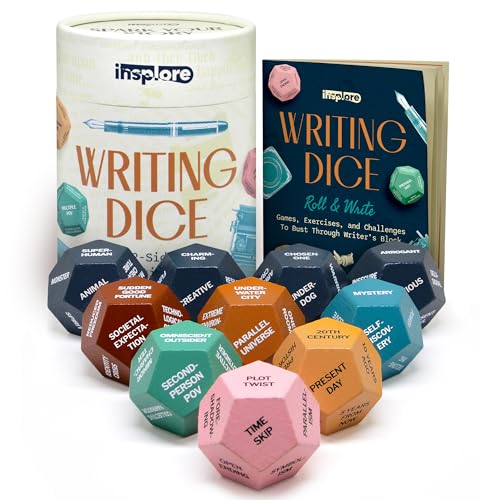
Insplore 12-Sided Writing Dice – Giftable Creative Writing Tool for Beating Writer's Block – 120 Inspiration Prompts Plus Fun Games and Challenges – Great Gift for Teen and Adult Authors
- Spark Your Story: Overcome writer's block with creative prompts
- 12-Sided Dice Power: More combinations for inspiration
- Includes 10 Unique Dice: Build characters, conflicts, settings
As an affiliate, we earn on qualifying purchases.
As an affiliate, we earn on qualifying purchases.
Conclusion
In mastering storytelling, you’ve unfastened the power to connect and inspire. With every narrative you craft, you shape emotions and ignite imaginations. Remember, it’s not just about the plot; it’s about the journey you take your audience on. So, will you choose to wield your storytelling skills to create meaningful experiences that resonate long after the last word is spoken? Embrace your voice, and let your tales be the bridge that brings hearts together.

The Wordsmith's Guide to Writing Authentic Dialogue: A Practical Handbook to Crafting Natural, Character-Driven Conversations
As an affiliate, we earn on qualifying purchases.
As an affiliate, we earn on qualifying purchases.

Graphic Storytelling and Visual Narrative (Will Eisner Instructional Books)
As an affiliate, we earn on qualifying purchases.
As an affiliate, we earn on qualifying purchases.