
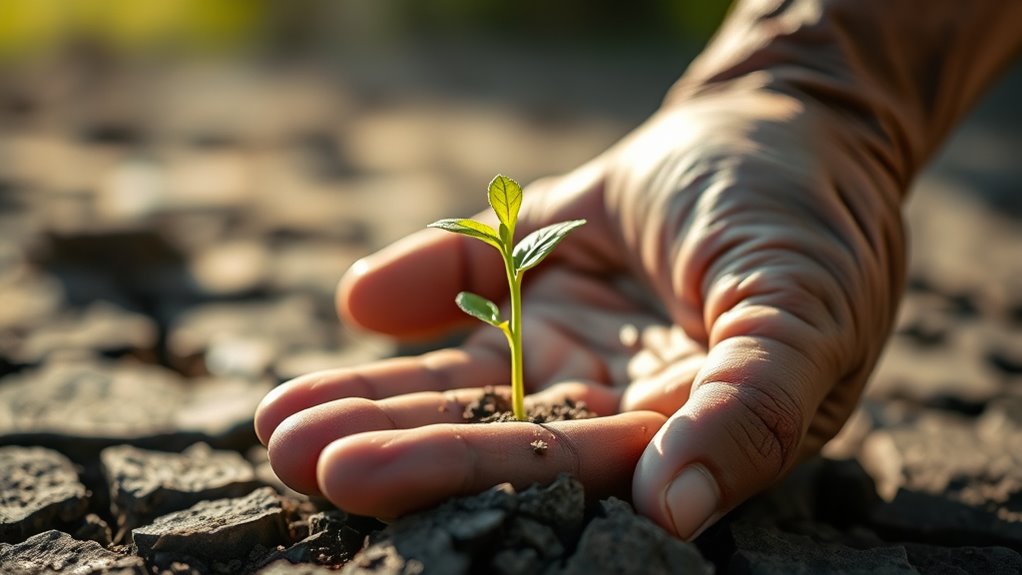

The power of resilience lies in your ability to face challenges and emerge stronger. You might find inspiration in stories of individuals who overcame illness, loss, or hardship, transforming setbacks into fuel for growth. As they navigated adversity, they discovered new strengths and passions, showcasing how resilience isn’t just about survival but thriving. By shifting your mindset and embracing life’s lessons, you can develop your own resilience. Discover more about how others have turned their struggles into triumphs.
Key Takeaways
- Resilience enables individuals to learn from setbacks and emerge stronger, transforming challenges into personal growth opportunities.
- Real-life stories showcase ordinary people overcoming adversity, highlighting their renewed appreciation for life and newfound passions.
- Mental toughness and emotional strength are key components that help individuals stay focused and motivated during difficult times.
- Shifting mindset from victimhood to empowerment fosters resilience, allowing people to view obstacles as lessons for growth.
- Cultivating resilience is essential for bouncing back stronger, as it equips individuals with tools to face future challenges effectively.
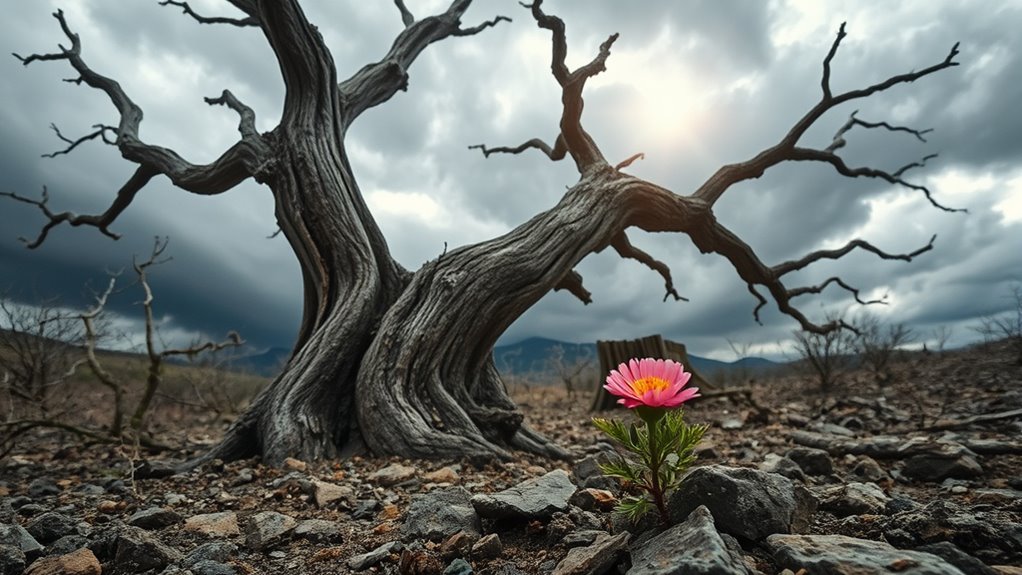
When life throws challenges your way, it’s your resilience that determines how you bounce back. You might feel overwhelmed by setbacks, but it’s in these moments that you discover your mental toughness and emotional strength. Resilience isn’t just about enduring tough times; it’s about learning and growing from them. Each challenge can become a stepping stone, leading you to a stronger version of yourself.
Consider what happens when you face adversity. You might lose a job or experience a personal loss. Initially, it can feel like the end of the world. But if you tap into your resilience, you can navigate your way through the pain. Instead of wallowing in despair, you can start to identify how these experiences shape you. This is where mental toughness comes into play. It’s the ability to stay focused and committed, even when the odds seem stacked against you. By recognizing your own strength, you learn to push through the discomfort and find a path forward.
Emotional strength is equally vital. It’s about managing your feelings effectively, rather than letting them control you. When you’re faced with challenges, it’s natural to feel fear, anger, or sadness. However, those emotions don’t have to define your journey. By practicing emotional regulation, you can transform negative feelings into motivation. Instead of being paralyzed by fear, you can channel that energy into determination. You might find yourself reaching out for support, connecting with others who inspire you, or even discovering new passions that can uplift your spirit.
Real stories of resilience often highlight how ordinary people have faced extraordinary challenges. Think of someone who battled illness yet emerged with a newfound appreciation for life. Their journey’s not just about survival; it’s about thriving. They learn to embrace each day, turning setbacks into lessons that fuel their drive. You can do this too. When you shift your mindset from a victim of circumstances to a creator of your own destiny, you empower yourself. Additionally, resilience can be likened to the mental toughness and emotional strength found in the journey of overcoming adversity.
Ultimately, resilience is not a fixed trait; it’s a skill you can develop over time. By cultivating mental toughness and emotional strength, you equip yourself with the tools to face whatever life throws your way. So the next time you encounter a hurdle, remember that you possess the power to bounce back stronger. Embrace the journey, learn from your experiences, and let resilience guide you toward a brighter future.
As an affiliate, we earn on qualifying purchases.
Frequently Asked Questions
What Is the Definition of Resilience in Psychology?
Resilience in psychology refers to your ability to bounce back from challenges and adversity. It involves emotional strength and adaptability skills that help you cope with stress and setbacks. When you face difficulties, resilience enables you to maintain your mental well-being and find effective solutions. It’s about learning from experiences and growing stronger, allowing you to navigate life’s ups and downs with confidence and determination.
How Can I Develop Resilience in My Daily Life?
To develop resilience in your daily life, think of it as building a sturdy bridge over turbulent waters. Start with stress management techniques like deep breathing or meditation to calm your mind. Cultivate a positive mindset by focusing on gratitude and reframing challenges as opportunities for growth. Surround yourself with supportive people who uplift you, and remember that every setback is just a stepping stone on your journey to becoming stronger and more resilient.
Are There Any Books on Resilience You Recommend?
If you’re looking for book recommendations on resilience, you can’t go wrong with “The Resilience Factor” by Karen Reivich and Andrew Shatté. It offers practical strategies to build resilience in everyday life. Another great choice is “Option B” by Sheryl Sandberg, which combines personal stories with insights on overcoming adversity. Both are excellent pieces of resilience literature that can inspire and guide you on your journey to becoming more resilient.
What Are Some Common Signs of Low Resilience?
Some common signs of low resilience include difficulty in emotional regulation, such as feeling overwhelmed by stress or anxiety. You might notice ineffective coping mechanisms, like avoidance or passive behaviors, instead of tackling challenges head-on. If you find it hard to bounce back from setbacks or struggle with maintaining a positive outlook, these are strong indicators. Recognizing these signs can help you take proactive steps towards building your resilience and improving your overall well-being.
How Does Resilience Impact Mental Health Long-Term?
Resilience markedly impacts your long-term mental health by fostering mindset shifts and enhancing emotional endurance. When you face challenges, these shifts help you view difficulties as opportunities for growth rather than setbacks. This perspective boosts your confidence and coping strategies, reducing anxiety and depression over time. By building emotional endurance, you’re better equipped to handle stress, leading to improved overall well-being and a more positive outlook on life’s ups and downs.
As an affiliate, we earn on qualifying purchases.
Conclusion
In life, you’re bound to face challenges that knock you down, but it’s your resilience that’ll help you rise stronger. Just like a smartphone that updates to tackle new apps, you too can adapt and grow from your experiences. Remember, every setback is an opportunity to bounce back and shine brighter. So, when life throws you a curveball, embrace it, learn from it, and keep moving forward. You’ve got this!
As an affiliate, we earn on qualifying purchases.
As an affiliate, we earn on qualifying purchases.