


The Slow Food Movement invites you to cook and eat with intention. It emphasizes savoring meals and understanding the connections between food, culture, and community. By choosing local ingredients, you support sustainable practices and reduce your carbon footprint. Mindful eating enhances your appreciation for flavors and fosters meaningful connections during shared meals. This movement encourages you to reflect on your food choices and their impact. There’s so much more to explore about transforming your relationship with food.

Get the little things that make your day delivered free — and shop member deals
- Fast, free delivery on millions of items
- Access to Prime Big Deal Days deals on October 6–7
- Prime Video, Amazon Music and more included
Key Takeaways
- The Slow Food Movement emphasizes making thoughtful food choices that connect to community, culture, and the environment.
- Mindful eating encourages savoring each bite, fostering appreciation for flavors and building deeper connections through shared meals.
- Supporting local farmers and artisans strengthens local economies while promoting sustainable and equitable food practices.
- Culinary traditions reflect heritage, preserving diverse food cultures and enhancing the overall culinary experience.
- The movement invites reflection on food choices, aiming to create a healthier planet and positively impact global food systems.
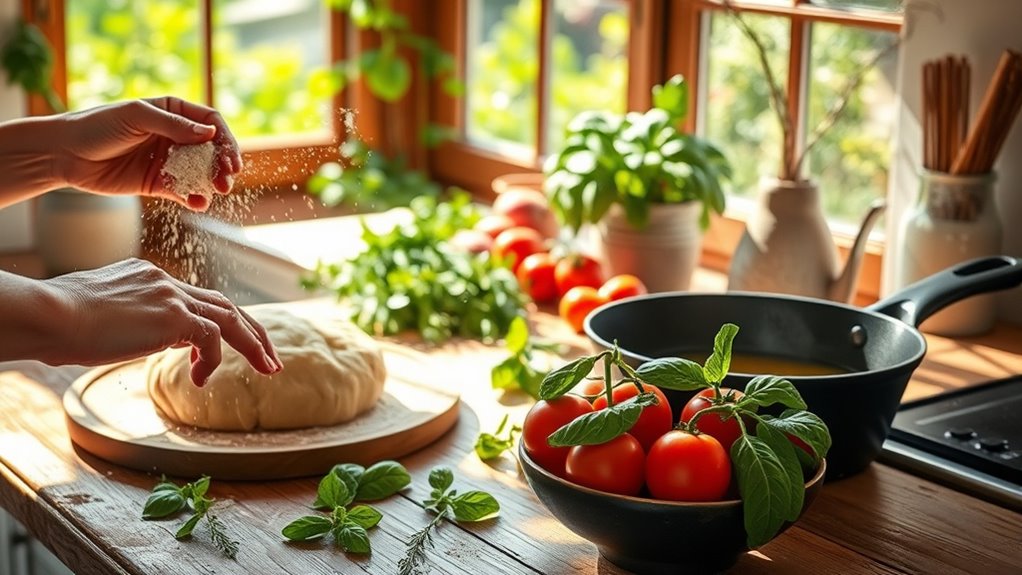
Have you ever wondered how your food choices impact the world around you? The Slow Food Movement encourages you to think deeply about what you eat and how it relates to your community, culture, and the environment. It’s not just about savoring delicious meals; it’s also about understanding and respecting food sovereignty and culinary traditions. When you embrace the Slow Food philosophy, you’re contributing to a broader movement that values sustainable practices and local food systems.
Food sovereignty means that communities have the right to define their own food systems. It’s about empowering you to make choices that support local farmers and artisans, ensuring that food production is sustainable and equitable. By choosing to buy locally sourced ingredients, you help bolster your community’s economy while reducing the carbon footprint associated with transporting food over long distances. You’re not just feeding yourself; you’re fostering a connection with the land and the people who cultivate it.
Empower your community by choosing local ingredients, supporting sustainable food systems, and connecting with the land and its farmers.
Culinary traditions play a vital role in this movement. Every meal is a reflection of your culture and heritage, and when you cook with intention, you’re honoring those traditions. Whether you’re making a traditional family recipe or experimenting with local ingredients, you’re participating in a rich tapestry of food history. This connection to the past not only enriches your culinary experience but also reinforces the importance of preserving diverse food cultures. When you appreciate these traditions, you become an advocate for the practices that keep them alive.
As you engage with the Slow Food Movement, you might find yourself slowing down and savoring each bite. This approach encourages mindfulness in your eating habits, allowing you to fully appreciate the flavors and textures of your food. When you take the time to cook and share meals with loved ones, you create meaningful connections that extend beyond the dinner table. It’s not just about nourishment; it’s an opportunity to build relationships and foster community.
In a fast-paced world, the Slow Food Movement invites you to pause and reflect on the significance of what you eat. By prioritizing food sovereignty and honoring culinary traditions, you’re making a conscious choice to support a healthier planet and a more equitable food system. Additionally, the movement aligns with the principles of sustainable practices that aim to protect both cultural heritage and the environment. So, next time you sit down to eat, remember that your choices have the power to shape a better world. Cooking and eating with intention can transform not just your plate, but also the very fabric of your community.
Frequently Asked Questions
How Can I Start a Slow Food Group in My Community?
To start a slow food group in your community, begin by reaching out to local food enthusiasts through community outreach. Organize meetings to discuss your vision and gather ideas. Connect with local farmers and vendors to source local ingredients for your events. Host cooking classes or potlucks to promote the benefits of slow food. Encourage members to share recipes and tips, fostering a supportive environment that emphasizes the joy of intentional cooking and eating.
What Are Some Easy Slow Food Recipes for Beginners?
Cooking with fresh ingredients is like painting a masterpiece—each color adds flavor. For beginners, try a simple vegetable stir-fry using seasonal veggies from your local market. Toss them in olive oil and garlic for a quick dish. Another idea is a hearty soup; just simmer chopped vegetables, broth, and herbs. Focus on ingredient sourcing to enhance your home cooking, and you’ll find joy in creating delicious meals that celebrate nature’s bounty!
Is the Slow Food Movement Active in My Country?
Yes, the Slow Food Movement is active in your country. You’ll find local chapters focused on cultural preservation and food sovereignty, promoting sustainable practices and traditional cuisines. Many communities host events, workshops, and farmers’ markets, encouraging you to connect with local producers and learn about the importance of mindful eating. Joining these groups can deepen your appreciation for food and foster a sense of community, all while supporting sustainable agriculture.
What Are the Environmental Benefits of the Slow Food Movement?
When it comes to the slow food movement, you’re really hitting two birds with one stone. By supporting sustainable agriculture, you help reduce chemical use and promote healthier soil. This, in turn, fosters biodiversity preservation, allowing diverse crops and wildlife to thrive. You’re not just enjoying delicious food; you’re also contributing to a healthier planet. So, every meal you savor helps create a more sustainable and vibrant ecosystem for future generations.
How Does the Slow Food Movement Impact Local Economies?
The slow food movement positively impacts local economies by boosting local farm support and enhancing food sovereignty. When you choose to buy from local producers, you keep money within your community, creating jobs and fostering a vibrant local market. This focus on regional foods helps strengthen agricultural diversity and guarantees that you have access to fresh, nutritious options. Ultimately, it empowers you to make choices that benefit both your health and your community’s economy.
Conclusion
Embracing the Slow Food Movement doesn’t mean you have to spend hours in the kitchen every day. Sure, life gets busy, but even small changes—like sourcing local ingredients or savoring a meal with loved ones—can make a huge difference. By cooking and eating with intention, you not only nourish your body but also support sustainable practices and connect with your community. So, why not take a moment to appreciate your food? It’s a delicious step toward a more mindful life.
NFL season / tailgating Picks
team gear
As an affiliate, we earn on qualifying purchases.