
TL;DR
Australia is experiencing a rising cultural conflict driven by global trends on identity and political values. This shift is shaping debates across society, politics, and media, with significant implications for the nation’s future.
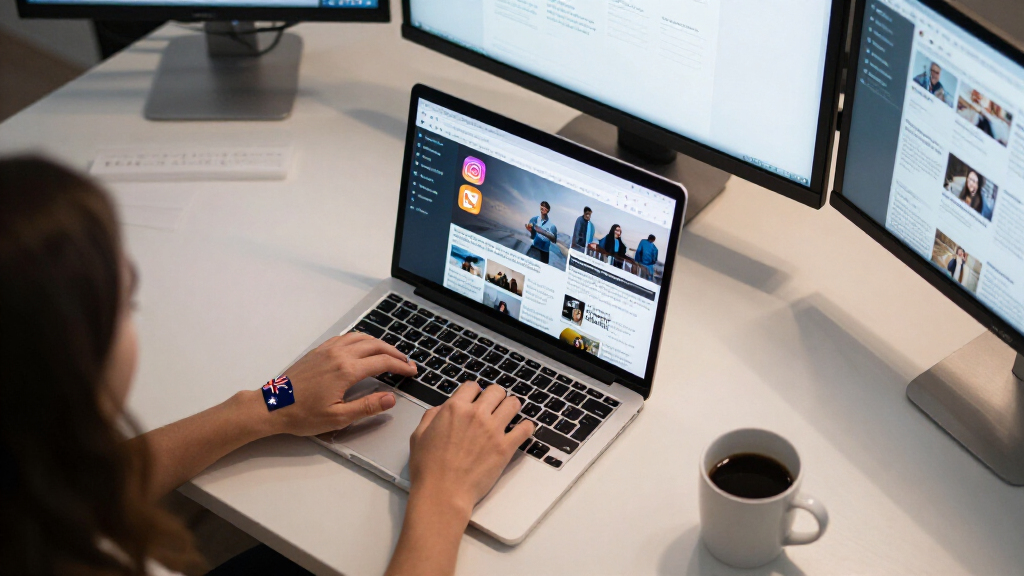
Australia is entering a new phase of cultural conflict as global trends surrounding identity, political values, and social issues increasingly influence domestic debates. This shift is prompting heightened tensions across political, social, and media spheres, marking a significant moment in the country’s societal evolution.

Get the little things that make your day delivered free with Prime
- Fast, free delivery on millions of items
- Prime Video, Amazon Music and more included
- Member-only deals all year
Implications of Australia’s Cultural Shift for Society
This emerging cultural divide could influence Australia’s political landscape for years to come, affecting policy decisions, electoral outcomes, and social cohesion. As global trends on identity and values shape local debates, there is potential for increased polarization, impacting community relations and the country’s international reputation as a tolerant society.
Popular right now

Breville Barista Express Espresso Machine with Grinder, Black Truffle

Dyson V9 Motorbar Cordless Vacuum

De'Longhi Classic Signature Espresso Machine with Adjustable Milk Frother
As an affiliate, we earn on qualifying purchases.
Global Trends Shaping Australian Cultural Debates
Over the past decade, international movements advocating for social justice, nationalism, and conservative values have gained momentum worldwide. Australia has historically balanced progressive and conservative forces, but recent years have seen these tensions intensify, especially with debates over immigration, Indigenous recognition, and gender rights. The influence of social media and global political discourse has amplified these issues domestically, leading to a more polarized society. Notable recent events include protests over proposed legislation on Indigenous rights, heated debates on gender and sexuality education, and political campaigns that reflect broader ideological battles seen globally. These developments suggest that Australia is experiencing a reflection of international cultural conflicts within its borders, driven by both domestic and global factors.
Unclear Extent and Future of Cultural Divisions
It remains unclear how deeply these cultural divisions will influence Australia’s long-term political stability or policy landscape. Analysts differ on whether this is a temporary phase or a lasting shift, and the full impact on social cohesion is still developing. Additionally, the influence of international trends versus local issues is an ongoing subject of debate among experts.
Expected Developments in Australia’s Cultural Landscape
Expect continued debates over social issues, with potential legislative responses and electoral shifts reflecting these tensions. Monitoring upcoming elections and policy proposals will provide insight into how these cultural conflicts evolve. Experts also anticipate that social media will play a significant role in shaping and intensifying these debates in the coming months.
Key Questions
What are the main issues fueling Australia’s cultural divide?
The primary issues include debates over gender identity, Indigenous rights, immigration policies, and free speech, reflecting broader global trends on social justice and nationalism.
How are political parties responding to these cultural tensions?
Some parties are adopting more conservative positions on social issues, while others advocate for progressive reforms, leading to increased polarization in electoral campaigns.
Is this cultural divide unique to Australia?
No, similar tensions are occurring worldwide, but Australia’s specific issues around Indigenous recognition and immigration give its debates a distinct character.
Could this lead to significant policy changes?
Potentially, as political actors respond to societal pressures, legislative reforms on social issues may emerge, though the exact direction remains uncertain.
What role do social media and international movements play?
They amplify debates and influence public opinion, often accelerating polarization and framing issues within a global context.
Source: rss