
To build a healthier relationship with caffeine, start by understanding how your body metabolizes it, as everyone processes caffeine differently. Pay attention to how late or heavy intake affects your sleep and energy levels, and try to adjust your consumption accordingly. Track your intake and choose natural energy boosts like walks or stretching instead of relying solely on caffeine. Focus on moderation, gradually reducing if needed, and listen to your body’s signals for long-term balance. There’s more to discover if you keep going.
Key Takeaways
- Monitor your caffeine intake and identify how it affects your sleep and energy levels.
- Consume caffeine earlier in the day to minimize sleep disruption and dependency.
- Incorporate natural energy-boosting activities like walking, stretching, and hydration into your routine.
- Understand your body’s caffeine metabolism to personalize consumption and prevent lingering effects.
- Gradually reduce intake and focus on moderation to develop sustainable, mindful caffeine habits.
Caffeine is a popular way to boost energy and focus, but consuming it mindlessly can lead to negative health effects. When you drink coffee or other caffeinated beverages without paying attention to how your body processes it, you risk disrupting your natural rhythms. Caffeine metabolism varies from person to person, meaning some people break it down quickly, while others take longer. If you’re slow to metabolize caffeine, it can linger in your system and interfere with your sleep, even if you consume it earlier in the day. This sleep disruption can cause fatigue, impair concentration, and make you more dependent on caffeine over time. Recognizing how your body handles caffeine is essential to developing a healthier relationship with it.
Understanding your body’s caffeine metabolism is key to avoiding sleep disruption and building a healthier relationship with caffeine.
To improve this relationship, start by paying attention to how caffeine affects your sleep. Notice if late-afternoon or evening drinks keep you awake or cause restless nights. If they do, try to cut back or eliminate caffeine after a certain time, such as 2 p.m. This simple adjustment helps your body process caffeine more effectively and minimizes sleep disruption. Better sleep, in turn, reduces your reliance on caffeine for energy, creating a positive cycle. It’s also helpful to track your caffeine intake and how it correlates with your sleep quality and daily energy levels. This awareness can guide you in making smarter choices about when and how much caffeine to consume.
Another way to build a healthier relationship is to diversify your sources of energy. Instead of reaching for that extra cup of coffee, consider other methods to boost alertness, like taking short walks, stretching, or practicing deep breathing exercises. These activities can stimulate your body naturally without interfering with your sleep or metabolism. Incorporating natural energy boosters into your routine can help you feel more alert throughout the day. Additionally, staying hydrated and maintaining a balanced diet can help stabilize your energy levels throughout the day, reducing the need for caffeine boosts. Understanding metabolic differences and how they influence caffeine processing can further inform your choices and help you develop sustainable habits. Learning about how your body metabolizes caffeine can also help you tailor your intake to avoid sleep disruption and maximize its benefits.
Lastly, be mindful of your overall caffeine consumption. Cutting back gradually can prevent withdrawal symptoms and make the transition easier. Remember, it’s not about quitting caffeine completely but about understanding your body’s limits and listening to its signals. By paying attention to your caffeine metabolism and its impact on sleep, you can create habits that support your health. Over time, this mindful approach will help you enjoy caffeine in moderation without compromising your sleep or well-being, leading to a more balanced and sustainable relationship with this popular stimulant.

AffinityDNA DNA Test for Caffeine Metabolism | CYP1A2 Gene | At Home Cheek Swab Sample Collection Kit | Results in 7-10 Working Days | No Extra Fees
ACCURATE DNA TEST: The genetic analysis examines the CYP1A2 gene. The test evaluates the speed of metabolisation of…
As an affiliate, we earn on qualifying purchases.
As an affiliate, we earn on qualifying purchases.
Frequently Asked Questions
Can Caffeine Dependency Cause Long-Term Health Issues?
Yes, caffeine dependency can cause long-term health issues. Relying heavily on caffeine might lead to caffeine withdrawal symptoms like headaches, fatigue, and irritability when you skip it. Over time, excessive intake may also impact your long-term heart health, increasing the risk of high blood pressure and heart problems. To protect yourself, consider moderating your caffeine consumption and listening to your body’s signals for better overall health.
What Are Natural Alternatives to Caffeine for Energy?
Skip the caffeine crash and try herbal teas like ginseng or matcha—they pack a punch without the jitters. Snack on energy-boosting foods like nuts, berries, or dark chocolate to wake up naturally. These alternatives give you sustained energy, minus the rollercoaster ride. Plus, you’ll avoid the dependency trap, feeling refreshed and alert without reaching for yet another caffeine fix. Who knew health could taste so good?
How Does Caffeine Affect Sleep Quality?
Caffeine can considerably disrupt your sleep quality by causing sleep disruption and reducing REM sleep, making it harder to rest deeply. It also has a hormonal impact, increasing cortisol levels that interfere with your body’s natural sleep-wake cycle. Consuming caffeine late in the day worsens these effects, so limiting intake after early afternoon helps improve your sleep. Being mindful of caffeine’s effects supports better rest and overall health.
Is Decaffeinated Coffee Completely Caffeine-Free?
Decaffeinated coffee isn’t completely caffeine-free; it’s like a shadow of the real thing. During the decaffeination process, most caffeine is removed, but small amounts remain. Your caffeine metabolism determines how quickly you process even tiny traces, influencing your energy levels. So, if you’re sensitive, those residual amounts might still affect you, but generally, decaf has considerably less caffeine than regular coffee, making it a gentler choice.
How Can I Tell if I’M Consuming Too Much Caffeine?
You can tell you’re consuming too much caffeine if you experience dependence symptoms like headaches, fatigue, or irritability when you skip your usual intake. Caffeine withdrawal might cause these symptoms to worsen, signaling you’re reliant on it. Keep track of your daily intake and notice any signs of jitteriness or trouble sleeping. If these symptoms occur, it’s a clear sign you should cut back to prevent dependence and withdrawal issues.
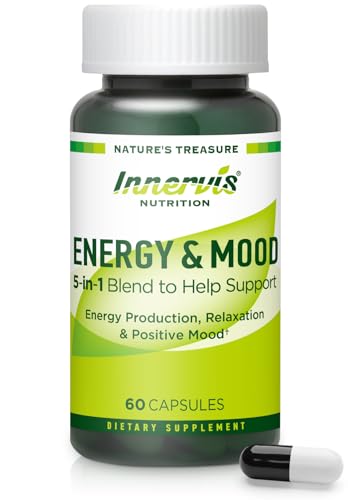
Caffeine Free Natural Energy Boost with Ashwagandha, Maca & Magnesium – Support Stress Relief, Focus & Mood – 60 Capsules by Innervis Nutrition
CLEAN ENERGY WITHOUT THE CRASH: Experience a jitter-free energy boost with Maca Root and Muira Puama. Perfect for…
As an affiliate, we earn on qualifying purchases.
As an affiliate, we earn on qualifying purchases.
Conclusion
Building a healthier relationship with caffeine is entirely possible with mindful choices and moderation. While some worry that reducing intake might lead to sluggishness, remember that even small adjustments can boost your overall well-being without sacrificing productivity. By listening to your body and setting realistic limits, you can enjoy caffeine without the negative side effects. Ultimately, a balanced approach helps you stay energized and focused, proving that smarter caffeine habits enhance your daily life rather than hinder it.

CCHEEN Smart Bracelet, Subscription-Free 24/7 Health Tracking, Heart Rate, SpO2, HRV & Sleep Tracker with IPX8 Waterproof, Wearable Activity & Fitness Tracker, 7-Day Battery, 2 Bands (Black)
Precision Health Tracking, No Monthly Fees: Get accurate, continuous monitoring of your heart rate, HRV, SpO2, and stress…
As an affiliate, we earn on qualifying purchases.
As an affiliate, we earn on qualifying purchases.

Sahara Sailor Water Bottle 32oz, Durable and Leakproof Water Bottles Motivational with Time Marker, Tritan, BPA Free, Wide Mouth with Easy Clean Brush for Gym, Travel, Home, School, Office (1 Bottle)
Stay Hydrated Throughout the Day: staying hydrated is often easier said than done. With the Sahara Sailor clear…
As an affiliate, we earn on qualifying purchases.
As an affiliate, we earn on qualifying purchases.