
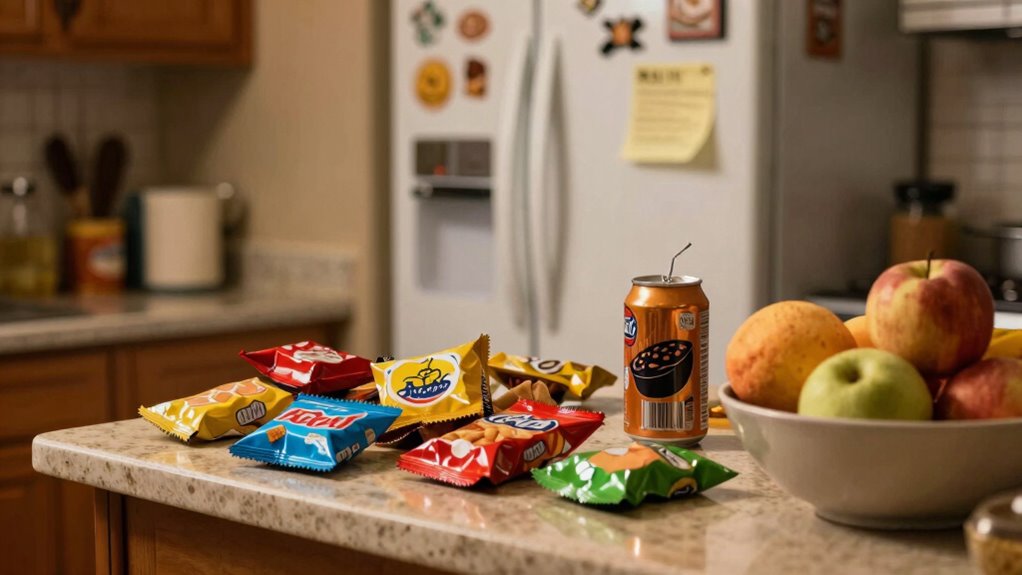

Your environment influences your eating habits more than willpower because it shapes what’s accessible and triggers your choices. Social cues, food placement, and environmental signals often lead to overeating or indulging, even when you’re not hungry. These cues operate subconsciously, making resisting temptation harder without awareness. Small changes in your surroundings can make healthier choices easier, emphasizing how powerful your environment truly is. Stick with this, and you’ll discover how to take control of these environmental drivers for better habits.

Get the little things that make your day delivered free — and shop member deals
- Fast, free delivery on millions of items
- Access to Prime Big Deal Days deals on October 6–7
- Prime Video, Amazon Music and more included
Key Takeaways
- Environmental cues like food placement and visual displays unconsciously influence cravings and consumption more than mental resolve.
- Social settings normalize overeating and portion sizes, overpowering individual willpower.
- Cluttered or tempting environments trigger emotional eating and mindless snacking without conscious awareness.
- Small environment adjustments can promote healthier choices, reducing reliance on willpower alone.
- Awareness of environmental influences enables intentional modifications that support long-term healthy habits.
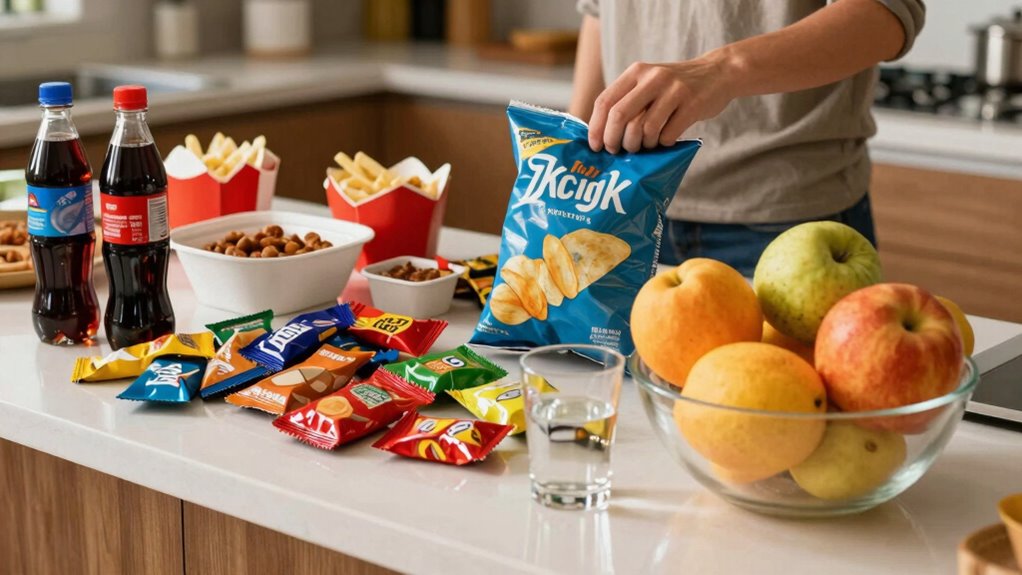
Your environment plays a crucial role in shaping your eating habits, influencing what, when, and how much you eat. It’s not just about willpower or personal choices; your surroundings, social cues, and emotional triggers have a powerful impact on your eating behavior. When you’re in a social setting, for instance, you often find yourself eating more than you planned, simply because others are doing the same. Social cues create a sense of normalcy around certain foods and portion sizes, making it feel natural to follow suit. If everyone around you is snacking or indulging in desserts, it becomes harder to resist, even if you’re not genuinely hungry. Your environment subtly encourages or discourages certain eating patterns, often without you realizing it.
Your environment influences your eating habits, shaping choices through social cues and subtle cues without your realizing it.
Emotional triggers are another key element that your environment influences. When you’re feeling stressed, bored, or upset, you might turn to food for comfort, especially if your surroundings are filled with tempting treats or cues that remind you of eating. For example, walking past a bakery or seeing snacks in your workspace can trigger a desire to eat, regardless of whether you’re hungry. These emotional triggers are amplified by your environment, making it difficult to stick to your goals solely through willpower. Instead of relying on mental strength, you’re often responding to the cues your environment provides. Over time, these triggers can become ingrained habits, reinforcing patterns like emotional eating or mindless snacking.
Your environment also sets the stage for your routines and habits. If your kitchen is stocked with unhealthy snacks or your dining area is cluttered with fast food wrappers, it signals that indulging is acceptable or even expected. Conversely, a well-organized space with fresh produce and healthy options encourages better choices. The placement of food in your environment influences your decisions—foods at eye level or within easy reach are more likely to be consumed. This means that subtle changes in how and where you store food can considerably shift your eating habits without you needing to exert extra effort. Additionally, understanding that Butter’s role in cooking can influence flavor profiles, you might consider integrating healthier fats to support your dietary goals. Recognizing that environmental cues can trigger habits, you can deliberately modify these cues to foster healthier behaviors.
Ultimately, it’s clear that your environment exerts more influence over your eating habits than willpower alone. It shapes your responses to social cues and emotional triggers, often guiding your choices in ways you might not fully recognize. By becoming aware of these environmental influences, you can adjust your surroundings to support healthier habits. Small changes—like rearranging your kitchen or choosing social settings that promote mindful eating—can make a big difference. Recognizing the power of your environment helps you take control, not just through determination but through thoughtful choices that align with your health goals.
As an affiliate, we earn on qualifying purchases.
Frequently Asked Questions
How Can I Modify My Environment to Support Healthy Eating?
You can support healthy eating by organizing your kitchen to make nutritious options more accessible. Keep mindful snacking foods like nuts and fruits within easy reach, while hiding less healthy temptations. Avoid stocking sugary treats, and instead, store healthy snacks at eye level. This way, your environment encourages better choices effortlessly, helping you stay on track without relying solely on willpower. Proper kitchen organization and mindful snacking promote lasting healthy habits.
Does Workplace Environment Influence My Food Choices?
Absolutely, your workplace environment influences your food choices—those sneaky workplace snacks and the office layout are prime culprits. If candy bowls tempt you or the break room’s strategically placed treats beckon, resisting becomes a Herculean task. Opt for healthier snacks and rearrange your workspace to minimize exposure. With a few tweaks, you’ll find it easier to resist the siren call of office temptations and make smarter eating decisions.
Can Environmental Changes Help Reduce Emotional Eating?
Yes, environmental changes can help reduce emotional eating. By managing stress triggers and reducing exposure to sensory cues like tempting snacks, you create a calmer, less triggering space. You might replace high-stress areas with relaxing ones or keep healthier snacks nearby, which makes it easier to resist emotional cravings. These adjustments help you break the cycle of emotional eating by changing your environment to support healthier choices.
How Do Social Settings Impact Eating Habits?
You often find yourself eating differently in social settings, thanks to subtle social cues and peer influence. When friends reach for snacks, you might do the same without realizing it, simply because of the environment. These social cues shape your eating habits more than you think, nudging you toward certain choices. By being aware of peer influence, you can consciously make healthier decisions, even in group settings.
Are There Specific Environmental Cues That Trigger Unhealthy Eating?
Yes, certain environmental cues can trigger unhealthy eating. When snack accessibility is high, you’re more likely to grab snacks impulsively. Visual cues like seeing tempting treats or frequent advertising also influence your choices, often leading to overeating. These cues bypass your willpower, making it harder to resist unhealthy options. To combat this, keep tempting snacks out of sight and limit exposure to visual cues that prompt unhealthy eating.
As an affiliate, we earn on qualifying purchases.
Conclusion
Your environment is the silent architect of your eating habits, quietly carving the pathways your choices follow. Like a garden, it blooms with temptations or tranquility, shaping what you reach for without you even realizing. When you take control of your surroundings—removing temptations and planting healthy cues—you steer your habits like a skilled captain steering stormy seas. Remember, your environment isn’t just a backdrop; it’s the steering wheel of your eating journey.
As an affiliate, we earn on qualifying purchases.
As an affiliate, we earn on qualifying purchases.
Fall Picks
fall essentials
As an affiliate, we earn on qualifying purchases.