


Feeling “off” when your routine changes is normal because your brain relies on habits for stability and safety. When routines shift unexpectedly, it perceives this as a threat, triggering emotional reactions like anxiety or frustration. Your brain works hard to adapt through neuroplasticity, but that process takes time. Recognizing this helps you understand your emotions better. If you want to discover how to ease this shift, there’s more helpful insight waiting for you.
Key Takeaways
- Feeling “off” is a natural response as your brain perceives routine disruptions as threats, triggering emotional reactions.
- Your brain relies on habits for stability; changes activate neural processes to adapt, causing temporary discomfort.
- Emotional responses to change are biological, designed to keep you alert and safe during periods of transition.
- Creating gradual, consistent routines can help your brain re-establish stability and reduce feelings of being “off.”
- Recognizing these feelings as temporary and part of neuroplasticity can lessen stress and support smoother adjustment.

Change can be unsettling, even when it’s positive or necessary. When your routine shifts unexpectedly, you might notice a strange sense of discomfort or disorientation. That’s because your brain relies heavily on habits to function smoothly. When your usual habits are disrupted, your brain perceives it as a threat, triggering an emotional response that can feel confusing or overwhelming. This is a natural reaction; your mind is wired to seek stability, and any deviation from your predictable pattern can evoke feelings of anxiety, frustration, or even sadness. Recognizing that your brain seeks stability can help you understand why these feelings arise. You might find yourself reacting more intensely to small disruptions than you normally would. It’s not just your imagination—your brain is working overtime to process the change. That emotional response isn’t a sign of weakness or failure; it’s a biological reaction designed to keep you alert and safe. But it can also make you feel “off,” as if you’re out of sync with yourself. Rest assured, this feeling isn’t permanent. Your brain is adaptable, and over time, it will recalibrate to the new routine. Engaging in practices that support habit formation can help your brain adapt more smoothly, reducing the intensity of your emotional response. Developing neuroplasticity through mental exercises and new experiences can also aid in this process. You might also find that creating consistent routines helps anchor your mind amid change. Still, during that adjustment period, you might experience mood swings, irritability, or difficulty concentrating, all of which stem from the habit disruption.
Understanding that your emotional response is a normal part of adjusting to change can help lessen the stress. Instead of fighting the feelings or trying to suppress them, acknowledge that they’re temporary and part of your brain’s natural process. Recognize that your discomfort is a sign your brain is working to establish new patterns. To ease this transition, focus on small, manageable steps to re-establish a sense of control. Creating new routines or gradually introducing changes can help your brain adapt more smoothly, reducing the intensity of your emotional response.

Stay on Track Habit Tracker Wall Calendar – Daily, Weekly & Monthly Habit Journal for Goal Setting & Productivity – Undated Spiral Planner by ThreeKin Collective
COMPREHENSIVE TRACKING: Daily habit tracker with dedicated sections for goals, habits, tasks, and daily reflections to help you…
As an affiliate, we earn on qualifying purchases.
As an affiliate, we earn on qualifying purchases.
Frequently Asked Questions
How Long Does It Typically Take to Adjust to a New Routine?
It usually takes about 21 to 66 days to adjust to a new routine, but it varies based on your habit formation and stress management skills. During this time, your brain rewires itself, making the new habits feel more natural. To speed up the process, stay consistent, practice patience, and manage stress through mindfulness or exercise. Remember, persistence helps you adapt faster and feel more comfortable in your new routine.
Can Feeling “Off” Indicate Underlying Mental Health Issues?
Feeling “off” can hint at underlying mental health issues, much like a storm cloud signaling a brewing tempest. It’s essential to recognize that emotional resilience and stress management are your shields, helping you navigate these dark skies. If this feeling persists, it’s a sign to seek support, as ongoing emotional turbulence might point to deeper concerns. Addressing these early can help restore your inner calm and stability.
Are Certain Personality Types More Affected by Routine Changes?
Yes, certain personality types are more affected by routine changes. If you have high personality sensitivity, you might find disruptions more distressing because you’re more attuned to your environment. Conversely, people with strong adaptability traits tend to adjust more easily, embracing change instead of resisting it. Your unique combination of sensitivity and adaptability influences how profoundly routine shifts impact your mood, energy, and overall sense of stability.
What Immediate Steps Can I Take to Feel Better During Transitions?
You might think you need a complete overhaul to feel better, but start with small steps. Practice mindfulness techniques like deep breathing or grounding exercises to center yourself. Incorporate simple self-care strategies, such as taking short breaks or staying hydrated. These immediate actions can help stabilize your mood and ease shift discomfort. Remember, gradual adjustments often provide the most sustainable relief during times of change.
Does Age Influence How We Respond to Routine Disruptions?
Yes, age influences how you respond to routine disruptions. Younger individuals often have higher resilience factors, adapting quickly, while older adults may experience more age sensitivity, making shifts feel tougher. Your ability to adjust depends on factors like experience, social support, and mindset. Recognizing these differences can help you develop tailored strategies, such as mindfulness or seeking support, to better navigate changes regardless of your age.

NEUROPLASTICITY EXERCISES: A 6-Week Brain Rewiring Program to Reduce Anxiety, Support PTSD Recovery, and Ease Chronic Pain Naturally
As an affiliate, we earn on qualifying purchases.
As an affiliate, we earn on qualifying purchases.
Conclusion
Remember, feeling “off” when routines shift is as natural as a knight feeling uneasy before battle. Change disrupts your rhythm, but it’s also an opportunity for growth—like discovering a secret passage in a castle. Embrace the discomfort, knowing it’s temporary. Soon, you’ll adapt and even thrive in your new routine. So, don’t be a damsel in distress; instead, face the unknown with courage, and turn these moments into your own personal renaissance.

S&O Undated Daily Planner for Organization, Spiral Logbook with Hourly Schedule, Everyday Workbook Undated Diary- Routine To Do List Journal, Work Calendar Organizer Notebook, 200 Pages, 9” x 10.75”
A Tool for Empowerment — Use your time in the most productive way possible with this large daily…
As an affiliate, we earn on qualifying purchases.
As an affiliate, we earn on qualifying purchases.
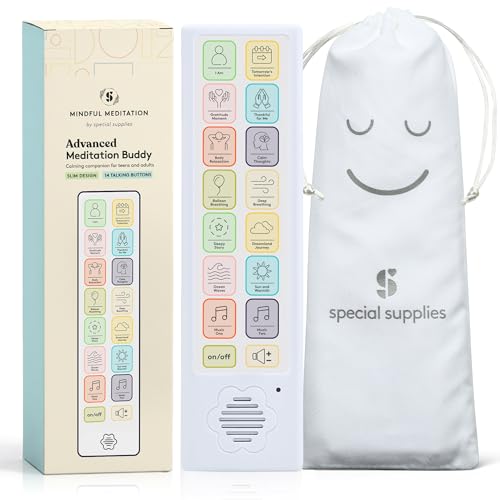
Special Supplies Meditation Buddy – Screen-Free Mindfulness & Breathing Device for Stress Relief, Daily Meditation, Anxiety Relief, Calm Focus & Emotional Balance for Kids and Adults (Adults)
Screen-Free Mindfulness Tool – Enjoy guided meditation, calm breathing, and daily mindfulness without apps, phones, or distractions. Perfect…
As an affiliate, we earn on qualifying purchases.
As an affiliate, we earn on qualifying purchases.