


To make the most of dead time without burning out, plan quick, achievable tasks like responding to emails or organizing your space. Use moments to stretch, breathe deeply, or jot down ideas to boost mental clarity. Keep a list of small tasks ready so you act without hesitation. Incorporate calming sounds or nature cues to help you reset mentally. With a few mindful strategies, you’ll turn idle time into opportunities for growth and stress relief—keep exploring to learn more.
Key Takeaways
- Plan and prepare quick, manageable tasks to make productive use of dead time without feeling overwhelmed.
- Incorporate brief stress-relief activities like stretching or deep breathing during idle moments.
- Recognize and embrace small wins to boost motivation and prevent frustration or burnout.
- Use calming environments or music to reset your mind during pauses.
- Maintain a proactive mindset by keeping a list of quick tasks ready for spontaneous opportunities.

Dead time—those moments when you’re waiting or have a lull—can feel like wasted opportunity, but they’re actually prime for small wins if you use them wisely. Instead of letting these moments slip by, you can leverage them to boost your productivity and manage stress better. The key is improving your time management skills so you recognize these intervals as valuable. When you do, you prevent boredom from sneaking in and turning into frustration, which can lead to burnout over time.
Dead time is an opportunity for small wins that boost productivity and reduce stress. Use it wisely.
By intentionally planning quick, achievable tasks for these dead times, you create a steady stream of small wins. For example, while waiting for a meeting to start, you might review your to-do list, respond to a quick email, or organize your workspace. These little accomplishments add up, making you feel more in control of your day without overwhelming you. Over time, this approach helps you stay motivated and reduces the stress that often accompanies feeling behind or unproductive. Incorporating time management techniques can further optimize how you utilize these moments.
Using dead time thoughtfully also encourages better stress reduction. When you’re constantly on the move, it’s easy to feel overwhelmed. But if you pause during these moments to do something simple—like stretching, practicing deep breaths, or jotting down a quick idea—you create mental space that helps you stay calm. These small, intentional acts act as mini-reset buttons, preventing stress from building up. Incorporating calming rituals is a simple way to support your mental well-being during busy days. Additionally, understanding the benefits of natural environments can inspire you to incorporate elements of nature into your quick routines, further enhancing your mental reset. The result is a more balanced approach to your workload, where you’re consistently making progress without feeling exhausted or overwhelmed.
Another way to maximize dead time is to prepare ahead of time. Keep a list of small tasks you can do quickly, like reading a short article related to your work, practicing a language skill, or brainstorming ideas. When a lull hits, you’re ready to jump in without wasteful hesitation. This proactive approach keeps your momentum going and ensures you’re not just passing time but actively managing it. Additionally, understanding sound healing science can inspire you to incorporate calming sounds or music into your quick routines, enhancing your mental reset.
Recognizing content formats that suit quick engagement can help you diversify your small wins and maintain interest. Ultimately, integrating this mindset into your daily routine means you’re constantly turning idle moments into opportunities for growth. It’s a simple yet powerful way to improve your time management and cut down stress. Instead of dreading those pauses or feeling guilty about unproductive time, you embrace them as chances to make meaningful small wins. Over time, this habit builds resilience, keeps you engaged, and helps you avoid burnout by balancing productivity with moments of intentional rest and refreshment.
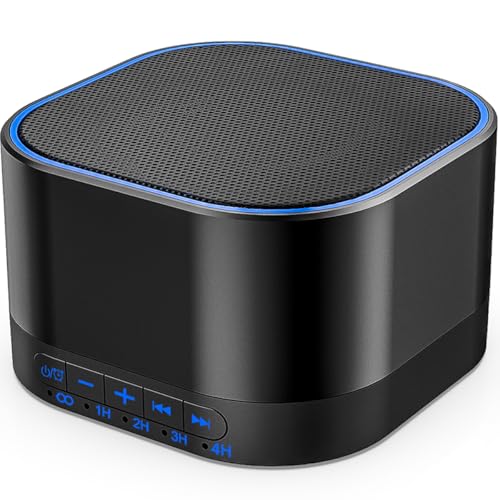
Magicteam White Noise Machine with 20 Non Looping Natural Soothing Sounds Memory Function 32 Levels of Volume Powered by AC or USB and Sleep Sound Timer Therapy for Baby Kids Adults Black
❤20 Non-Looping Sleep Sounds: White noise ,Brown noise, pink noise, blue noise, fan,brook, rain, ocean,bird and Bonfire,suitable for…
As an affiliate, we earn on qualifying purchases.
As an affiliate, we earn on qualifying purchases.
Frequently Asked Questions
How Do I Identify Productive Dead Time in My Day?
You can identify productive dead time by observing when you’re between tasks or waiting for responses. Look for moments where your idle efficiency drops but could be optimized with micro productive activities, like quick planning or learning. Pay attention to patterns in your day, and you’ll find chances to turn idle time into valuable moments. Recognizing these windows helps you maximize your productivity without feeling overwhelmed or burnt out.
What Are Some Quick, Low-Effort Activities for Small Wins?
You can quickly boost your small wins with simple activities like mindfulness exercises or gratitude journaling. Take a minute to breathe deeply and focus on the present, or jot down three things you’re thankful for. These low-effort practices refresh your mind, boost positivity, and make dead time productive. They’re easy to fit into your day, helping you feel accomplished without adding stress or taking up much time.
How Can I Stay Motivated During Short Periods of Dead Time?
To stay motivated during short periods of dead time, focus on mindful breaks that refresh your mind and boost your energy management. Engage in quick activities like deep breathing, stretching, or listening to uplifting music. These practices help you reset mentally, maintaining motivation. By intentionally utilizing dead time for mindful moments, you prevent burnout and stay energized, making it easier to tackle your next task with enthusiasm and clarity.
What Tools Can Help Track Progress During Small Wins?
Did you know that 80% of successful goal setters use digital tools to track progress? To stay on top of small wins, leverage apps like Trello or Todoist for effective time management and goal setting. These tools help you visualize progress, set deadlines, and celebrate achievements, keeping your motivation high. By regularly monitoring your small wins, you’ll build momentum and make continuous progress toward your bigger goals without feeling overwhelmed.
How Do I Balance Rest and Productivity in Dead Time?
To balance rest and productivity during dead time, you should practice mindful breaks to recharge without feeling guilty. Focus on energy management by alternating light tasks with short, intentional breaks, ensuring you don’t burn out. Set specific goals for each break, like stretching or deep breathing, to stay energized. This way, you maximize your dead time, making small wins without compromising your overall well-being or productivity.

gianotter Desktop File Organizer, Desk Organizer with 5 Compartments, Paper Organizer for Desk, Workspace Organizers for Office Supplies (Black)
【Compact & Organized】This desktop organizer features 5 compartments for classified storage, helping you effectively organize your desktop documents….
As an affiliate, we earn on qualifying purchases.
As an affiliate, we earn on qualifying purchases.
Conclusion
So, next time you find yourself with a rare moment of “dead time,” don’t just scroll mindlessly. Instead, seize it for small wins—you might actually feel productive, or at least less guilty. Ironically, by pushing just a little during these pauses, you can avoid burnout and still enjoy the illusion of being busy. Who knew that doing less could actually help you do more? Now, go turn those fleeting moments into your secret superpower.
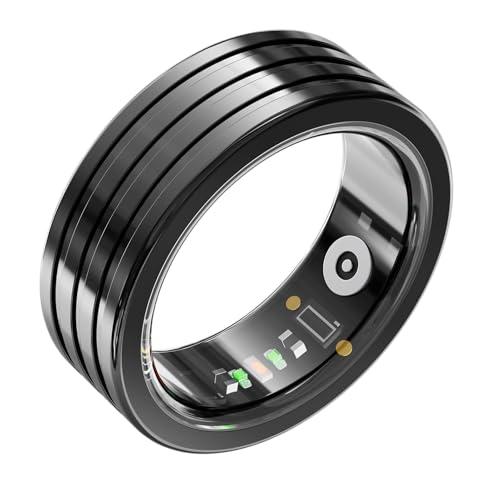
3Plus Loop – Smart Ring Titanium – No App Subscription – Meditation Coach – Sleep Tracking – Heart Rate – Fitness w/Assisted GPS – Swim 5ATM – Up to 4 Days of Battery Life (Black, US 9)
Step, Distance & Calorie Tracking- Stay on top of your daily activity with accurate step counting, distance tracking,…
As an affiliate, we earn on qualifying purchases.
As an affiliate, we earn on qualifying purchases.

EasyWrappe 1.25" – 18"x24" set, 5pk Deep DIY Stretcher Bars Sizes Range from 8" to 30" with Strong Basswood Construction Uses Plastic Corner Guides Easy Canvas Stretching Canvas Pliers Not Required
TOP-QUALITY SOLID BASSWOOD creates the framework for your gallery wrap system. Stronger and more dense than pine, fir,…
As an affiliate, we earn on qualifying purchases.
As an affiliate, we earn on qualifying purchases.