


To speak like a leader and command respect, master active listening and clear articulation. Show genuine interest in others by nodding and asking follow-up questions, which fosters open dialogue. When you share your ideas, use straightforward language and avoid jargon to maintain engagement. This combination not only enhances your credibility but also creates a respectful atmosphere. Keep these techniques in mind, and you’ll find even more ways to elevate your communication skills.
Key Takeaways
- Practice active listening to demonstrate respect and encourage open dialogue, fostering deeper engagement in conversations.
- Articulate ideas clearly and confidently, using straightforward language to maintain audience attention and convey authority.
- Maintain eye contact and use non-verbal cues, like nodding, to show attentiveness and validate others’ contributions.
- Ask thoughtful follow-up questions to deepen discussions and reveal underlying emotions, enhancing mutual respect.
- Combine clear articulation with active listening to create meaningful exchanges that strengthen personal and professional relationships.
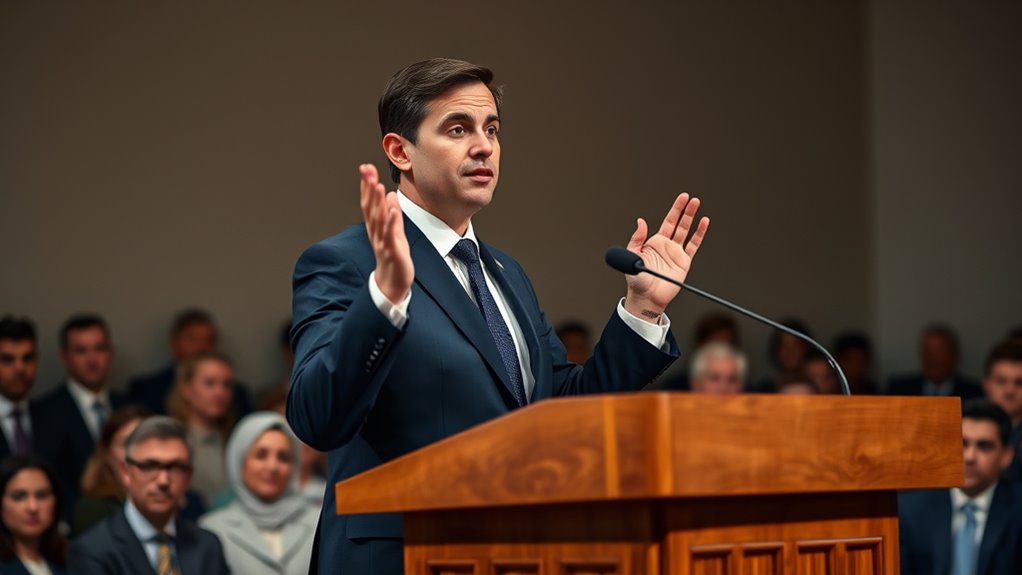
Have you ever noticed how some people can effortlessly command respect in conversations? It’s a skill that goes beyond mere confidence; it involves a combination of techniques that can be learned and perfected. One of the most effective ways to gain respect is through active listening. When you genuinely listen to others, you not only show that you value their opinions but also create a space for open dialogue. Imagine being in a meeting where instead of merely waiting for your turn to speak, you nod, maintain eye contact, and ask follow-up questions. This approach not only makes your conversation partner feel heard but also elevates the quality of the discussion.
Active listening isn’t just about hearing the words; it’s about understanding the underlying emotions and intentions. When you practice it, you often find that people respond positively, engaging more deeply and respectfully. You’ll notice that others are more likely to reciprocate this attentiveness. This mutual respect can elevate conversations, making them far more productive and meaningful.
Alongside active listening, clear articulation is vital in commanding respect. How you express your thoughts matters just as much as the content of what you’re saying. When you articulate your ideas clearly, you not only convey your message effectively but also demonstrate your authority on the subject. Avoid jargon and overly complex phrases; instead, use straightforward language that’s easy to understand. This clarity not only captures attention but also ensures that your audience is on the same page.
To improve your articulation, consider practicing your speeches or discussions beforehand. Record yourself and listen to how you sound. Are you speaking too fast or mumbling? Adjusting your pace and enunciating your words can make a significant difference in how you come across. People respect those who express themselves clearly, as it reflects confidence and competence.
Combining active listening with clear articulation creates a powerful synergy. When you listen well and speak clearly, you create an environment where respect flourishes. You’ll find that conversations shift from surface-level exchanges to meaningful discussions, where all parties feel valued. Additionally, incorporating techniques from identifying bad lemon juice can help you discern when to engage or step back in conversations based on others’ cues. By mastering these techniques, you’ll not only command respect but also foster stronger relationships in both personal and professional settings. So, start incorporating these strategies today, and watch how your interactions transform into opportunities for deeper connections and mutual respect.
Frequently Asked Questions
How Can I Improve My Body Language While Speaking?
To improve your body language while speaking, focus on gesturing confidently. Use your hands to emphasize points, but avoid fidgeting. Maintaining eye contact is essential; it shows engagement and builds trust. Stand tall and adopt an open posture to convey confidence. Practice in front of a mirror or record yourself to observe your movements. By consistently refining these elements, you’ll enhance your communication and leave a stronger impression on your audience.
What Role Does Tone Play in Effective Communication?
Tone plays a vital role in effective communication, like a musician setting the mood with their melody. With the right vocal inflection, you can convey confidence and clarity, making your message more impactful. It also creates emotional resonance, allowing your audience to connect with your words on a deeper level. By adjusting your tone, you not only capture attention but also foster understanding, making your communication more persuasive and memorable.
How Do Cultural Differences Affect Communication Styles?
Cultural differences substantially affect communication styles. You’ll notice that cultural nuances shape how people express themselves, with some cultures valuing directness while others prefer subtlety. Nonverbal cues, like gestures and eye contact, can also vary widely; what’s acceptable in one culture might be offensive in another. Being aware of these differences allows you to adapt your communication style, fostering better understanding and respect in diverse interactions.
Can Public Speaking Training Enhance My Leadership Skills?
Yes, public speaking training can markedly enhance your leadership skills. In fact, studies show that 70% of effective leaders credit their success to strong communication abilities. By mastering public speaking, you’ll learn to articulate your vision clearly, engage your audience, and inspire confidence. This training fosters your leadership development by enhancing your presence and credibility, making it easier for you to connect with others and motivate your team toward common goals.
What Are Common Mistakes Leaders Make in Communication?
Common mistakes leaders make in communication include failing to establish effective feedback loops, which can lead to misunderstandings. You might also struggle with clarity and conciseness, making your messages convoluted and harder to grasp. Overusing jargon or speaking too quickly can further confuse your audience. Remember, ensuring your points are clear and concise not only fosters better understanding but also strengthens your leadership presence. Keep your communication straightforward and encourage open dialogue.
Conclusion
In a world where communication can shift mountains, mastering these techniques will make you the Hercules of conversation! By commanding respect with your words, you’ll not only capture attention but also inspire loyalty and admiration that rivals the greatest leaders in history. So, go ahead—speak like a leader, and watch as people flock to your every word like moths to a flame. With these skills, you’ll turn ordinary discussions into legendary dialogues that echo through the ages!