


You can easily save money and make eco-friendly choices by embracing sustainable swaps. Try upcycling old clothes into tote bags or stylish shorts, and compost kitchen scraps for nutrient-rich soil. Shopping second-hand supports the circular economy while helping your wallet. Start small with one or two changes to keep it manageable and watch your efforts add up. There’s so much more you can discover to make budget-friendly, eco-conscious choices that fit your lifestyle.
Key Takeaways
- Upcycle old clothing into new items, like tote bags, to save money and reduce textile waste.
- Compost kitchen scraps to create nutrient-rich soil, eliminating the need for expensive chemical fertilizers.
- Shop second-hand to find quality items at lower prices while supporting sustainable consumer practices.
- Implement small, manageable sustainable swaps to gradually reduce spending and environmental impact.
- Embrace resourcefulness through DIY projects, enhancing creativity and reducing reliance on new products.
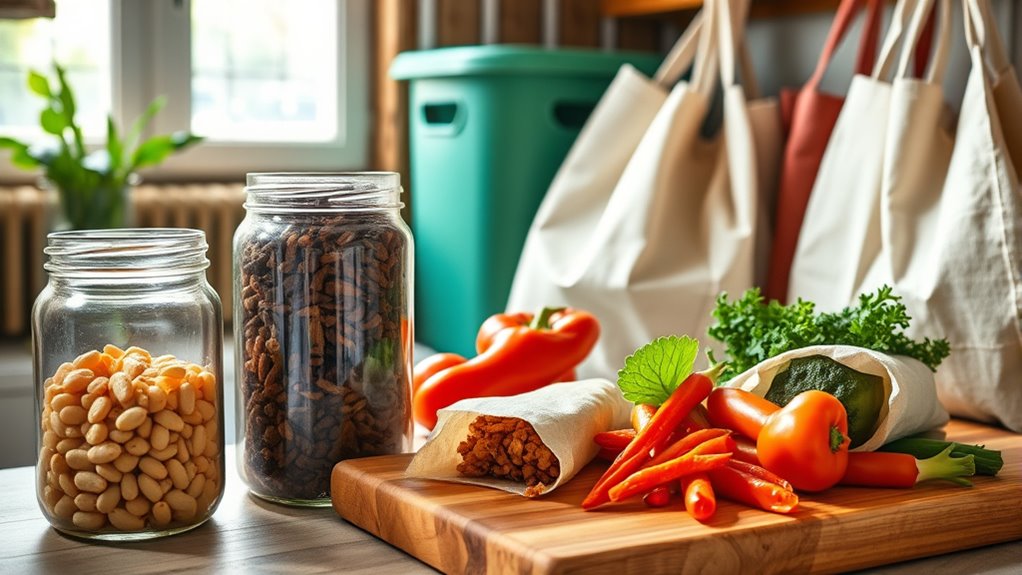
When you’re looking to make eco-friendly choices without breaking the bank, sustainable swaps can be a game-changer. One of the easiest ways to start is by focusing on upcycling clothing. Instead of tossing out that old shirt or dress you no longer wear, consider giving it a new life. You can turn a loose T-shirt into a trendy tote bag or transform worn jeans into stylish shorts. Not only does this save you money by reducing your need to buy new clothes, but it also helps to keep textiles out of landfills. With a bit of creativity and some basic sewing skills, you’ll discover that upcycling can be a fun project that adds unique pieces to your wardrobe.
Another sustainable swap that can save you money is composting kitchen scraps. If you’re tossing food waste into the trash, you’re missing out on a fantastic opportunity to create nutrient-rich compost for your garden. Instead of buying chemical fertilizers, you can use compost made from vegetable peels, coffee grounds, and eggshells. It’s simple to set up a compost bin at home; you don’t even need a lot of space. Just start collecting your kitchen scraps, and before you know it, you’ll have a rich compost that will help your plants thrive.
By upcycling clothing and composting kitchen scraps, you’re making a positive impact on the environment while keeping your budget intact. These swaps don’t require a significant investment, and they empower you to be more resourceful. You’ll find that the more you engage in these practices, the more innovative you’ll become. Perhaps you’ll discover new ways to use items you would’ve otherwise discarded or find creative solutions to everyday problems.
Additionally, consider exploring local thrift stores or online marketplaces for second-hand items. Buying pre-loved goods not only saves you money but also supports a circular economy. You’ll be amazed at the treasures you can find, and it’s a sustainable way to shop.
Incorporating these sustainable swaps into your life doesn’t have to be overwhelming. Start small, focus on one or two changes, and gradually expand your efforts. You’ll be surprised at how quickly those small changes accumulate, leading to a more sustainable and budget-friendly lifestyle.

Lily queen Natural Canvas Tote Bags DIY for Crafting and Decorating Reusable Grocery Washable Bag Shopping Bag (Natural – 6 Pack)
Heavy Duty-Durable: 6pcs of plain canvas tote bags measures 13"x4"x15"in,and top-handle is 11" height. Made from 12oz cotton…
As an affiliate, we earn on qualifying purchases.
As an affiliate, we earn on qualifying purchases.
Frequently Asked Questions
What Are Some Easy Eco-Friendly Swaps for Beginners?
You can easily start your eco-friendly journey by using reusable bags for shopping instead of plastic ones. It’s a simple swap that makes a big difference. Also, consider composting your kitchen scraps; it’s a great way to reduce waste and enrich your garden soil. Just remember to research some composting tips to get started. These small changes not only help the environment but can also save you money in the long run.
How Can I Track My Savings From Sustainable Choices?
To track your savings from sustainable choices, start by keeping a journal. Jot down your energy savings and any reductions in your carbon footprint. You might find it helpful to use apps that calculate costs and savings from eco-friendly swaps. Like a modern-day alchemist, you’ll see how small changes transform into bigger financial benefits. Periodically review your notes to see how your efforts add up, boosting both your budget and the planet’s health.
Are There Any Grants for Eco-Friendly Home Improvements?
Yes, there are grant programs available for eco-friendly home improvements! You can check with local government agencies, nonprofit organizations, or energy companies that often offer grants to help you upgrade your home. These improvements might include solar panels, energy-efficient windows, or insulation. Make sure to research eligibility criteria and application processes, as they can vary. Taking advantage of these grants can markedly reduce your costs while making your home more sustainable.
What Are the Best Resources for Learning About Sustainability?
To learn about sustainability, explore online platforms like the EPA’s website or sustainability-focused blogs. They provide valuable insights on renewable energy and zero waste tips. You can also check out local community workshops or online courses that cover eco-friendly practices. Joining social media groups dedicated to sustainability can keep you updated with the latest trends and ideas. Don’t forget to read books and listen to podcasts that focus on green living!
How Can I Involve My Family in Sustainable Practices?
You can involve your family in sustainable practices by turning everyday activities into fun learning experiences. Did you know that families who engage in eco-friendly habits can reduce their carbon footprint by up to 25%? Start with family activities like planting a garden or hosting a recycling challenge. Discuss sustainable habits at dinner, and make it a game to spot eco-friendly choices during shopping trips. Together, you’ll create lasting memories and a greener future!

Utopia Kitchen Indoor Compost Bin Kitchen, Odorless Composting with Charcoal Filter, 1.3 Gallon Stainless Steel Large Composter for Countertop & Under Sink, Easy Cleaning, One Extra Filter – (Silver)
With this compost bin, you can let the scraps build up during the week without worrying about bad…
As an affiliate, we earn on qualifying purchases.
As an affiliate, we earn on qualifying purchases.
Conclusion
As you journey through the forest of choices, remember that every small swap you make is like planting a seed for a greener future. Each eco-friendly decision nurtures the earth, and in turn, it nurtures your wallet. Just as a mighty oak grows from a tiny acorn, your efforts today can blossom into significant savings tomorrow. Embrace these sustainable swaps, and watch your world transform—one simple choice at a time. Together, we can cultivate a thriving, budget-friendly paradise.

The Reselling Blueprint. Sell Your Clothes Online: 7-Step System. Side Hustle
As an affiliate, we earn on qualifying purchases.
As an affiliate, we earn on qualifying purchases.

MORFEN Sewing Kit for Adults, 38 Pcs Heavy Duty Sewing Kit, Needle and Thread Kit with Hand Sewing Needles 8 Upholstery Thread, Upholstery Repair Kit for Carpet Canvas DIY Sewing Repair
Upholstery Sewing Kit Includes: 8 x heavy duty threads(50m/54.6yard each roll), 2 x awl, 8 x curved upholstery…
As an affiliate, we earn on qualifying purchases.
As an affiliate, we earn on qualifying purchases.