

TL;DR
This article examines how past cultures generated power using methods like hand tools, animal labor, and water wheels. These techniques remain relevant for sustainable living today.
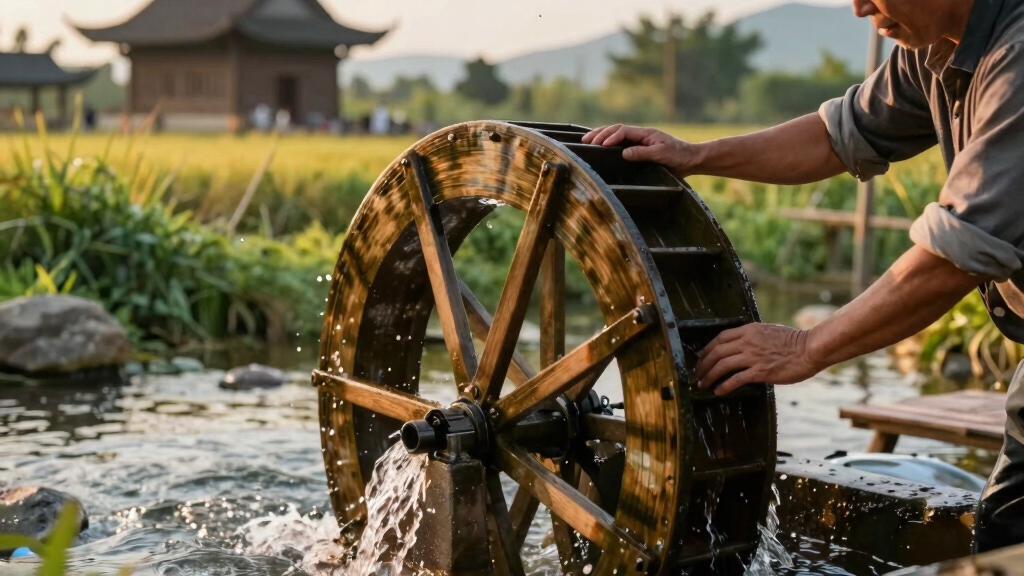
Historical cultures relied on manual tools, animal power, and water wheels to generate energy long before modern electricity, offering sustainable options for today’s homesteaders.Ancient civilizations, including Romans, Mesopotamians, Egyptians, Chinese, and Mayans, developed diverse methods of power generation using hand tools, animal labor, and water wheels. Many of these techniques are still feasible for small-scale homesteads, especially in off-grid or resource-limited settings. Hand tools, such as axes, saws, and sewing implements, have been used for millions of years and remain practical. Animal power, including horses, oxen, and mules, was historically essential for transportation, farming, and construction, and continues to be used in remote or traditional communities. Water wheels, dating back to at least the 4th century BCE, can still drive machinery like mills and saws if a suitable water source is available. These methods exemplify sustainable, low-tech solutions that can reduce reliance on modern electrical grids, especially in scenarios where fuel or electricity infrastructure might fail or be unavailable.
Why Ancient Power Methods Are Still Relevant Today
Understanding and adopting these traditional power generation techniques can enhance resilience, sustainability, and independence for modern homesteads and off-grid communities. They offer proven, low-cost alternatives to reliance on fossil fuels and complex technology, which is increasingly important amid resource scarcity and environmental concerns.

Weed Puller Tool, Heavy-Duty Stainless Steel Garden Hand Weeding Tool
- Deep-Root Weed Removal: Removes stubborn weeds from deep soil
- Durable Stainless Steel: Made from thickened 304 stainless steel
- Ergonomic Hand Tool: Allows quick, controlled weed removal
As an affiliate, we earn on qualifying purchases.
As an affiliate, we earn on qualifying purchases.
Historical Technologies and Their Modern Potential
Throughout history, civilizations such as the Romans, Egyptians, Chinese, and Mayans developed technologies that harnessed natural and manual energy sources. Roman innovations like passive solar building design and durable concrete demonstrate advanced understanding of sustainable architecture. Water wheels and animal-powered machinery were critical in pre-industrial societies for grinding grain, sawing wood, and powering tools. Despite the advent of electricity and engines, these methods persisted in remote and rural areas, and their principles are applicable today for sustainable living. Archaeological finds, like the Roman water-powered fountains in Portugal, show that these technologies can still function after centuries, highlighting their durability and relevance.
“Many ancient cultures used hand tools, animal power, and water wheels to generate energy, and these methods remain feasible for small homesteads today.”
— Survivopedia

Horse-Powered Farming for the 21st Century: A Complete Guide to Equipment, Methods, and Management for Organic Growers
- Shipping Origin: Ships from Vermont
As an affiliate, we earn on qualifying purchases.
As an affiliate, we earn on qualifying purchases.
Uncertainties About Modern Adoption of Ancient Techniques
It is not yet clear how widely these ancient methods can be adapted for modern use, especially in terms of efficiency, scale, and integration with current technology. Further research is needed to evaluate their practicality in different environments and for various applications.

Sjfbebsy Science Experiment Kit, Plastic Water Wheel Generator Kit, Science Experiment for DIY Energy Conversion Learning & Physics Education – Hydroelectric Generator
- Hands-on Assembly Practice: Promotes manual skills and scientific inquiry
- Educational Science Tool: Introduces engineering and physics concepts
- Energy Transformation Demonstration: Shows water energy converting to electricity
As an affiliate, we earn on qualifying purchases.
As an affiliate, we earn on qualifying purchases.
Next Steps for Integrating Traditional Power Methods
Researchers and homesteaders are exploring ways to retrofit and optimize ancient technologies like water wheels and animal-powered machinery for modern sustainability. Pilot projects and small-scale implementations are expected to demonstrate feasibility and identify best practices for broader adoption.

The Solar House: Passive Heating and Cooling
- Condition: Used Book in Good Condition
As an affiliate, we earn on qualifying purchases.
As an affiliate, we earn on qualifying purchases.
Key Questions
Can water wheels still be used effectively today?
Yes, in suitable locations with flowing water, water wheels can drive machinery such as mills or saws, providing renewable power without electricity.
Are animal-powered tools practical for modern homesteads?
In remote or off-grid settings, animals like oxen and horses can still perform tasks such as plowing, hauling, and powering equipment, especially for small-scale operations.
What are the limitations of using hand tools for energy production?
Hand tools require manual effort and are generally suitable for small-scale or specific tasks, but they are not practical for large or high-demand energy needs.
Could passive solar building techniques from ancient times be applied today?
Yes, passive solar design principles, such as appropriate eave lengths and building orientation, can improve energy efficiency in modern construction.
Are these methods environmentally friendly?
Generally, yes. They rely on natural, renewable sources of energy and produce little to no pollution, making them sustainable options.
Source: Survivopedia