

TL;DR

Get the little things that make your day delivered free — and shop member deals
- Fast, free delivery on millions of items
- Access to Prime Big Deal Days deals on October 6–7
- Prime Video, Amazon Music and more included
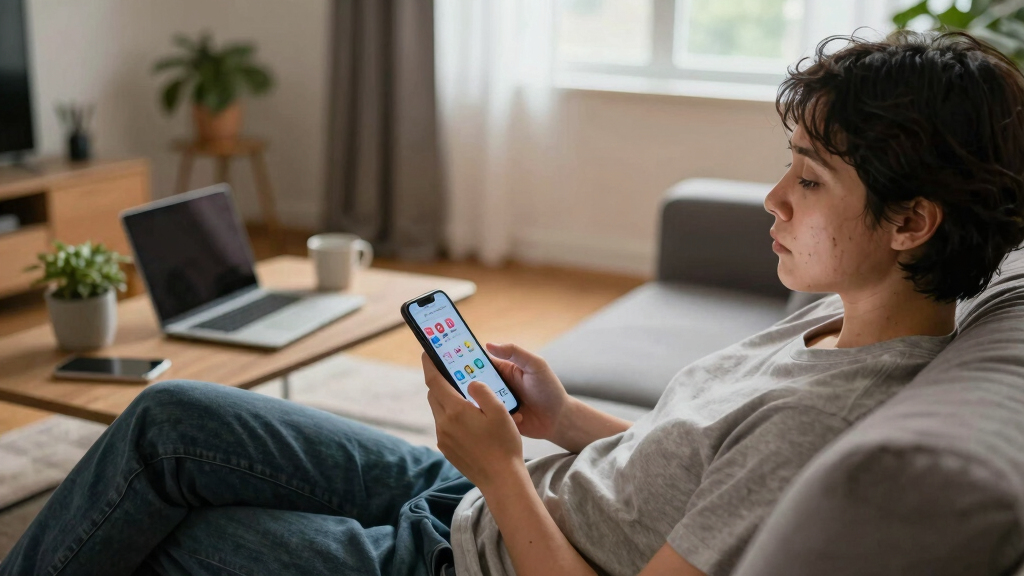
Many social media users are reducing their activity or withdrawing due to stress, polarization, and privacy worries. Younger users report higher burnout, with some contemplating account deletion. This shift indicates a significant change in online behavior.
Many social media users are actively withdrawing from online participation, with over half reporting that maintaining an online presence now feels like work, and nearly half deleting apps due to stress or anxiety, according to a recent survey by Incogni’s researchers.
The survey of 1,000 adults highlights a significant decline in active posting, with 55% posting less than five years ago and 53% becoming more selective about their audience. Younger demographics, especially Millennials and Gen Z, report higher levels of burnout, citing mental health concerns and polarization as key reasons for reducing activity or deleting apps.
Participants also reported mixed emotions when disconnecting: 27% felt peaceful, but 22% experienced anxiety, particularly among Gen Z, where 34% felt anxious when not checking messages. Political content and online hostility are major factors driving users away, with 44% citing polarization as a reason to withdraw. Despite these trends, some users are posting more, especially among a small subset of Gen Z, indicating varied responses to digital fatigue.
Implications of Growing Digital Burnout
This shift indicates a fundamental change in social media use, as users seek to reduce stress and protect their mental health. The trend toward quieter, more guarded online behavior could impact platforms’ engagement metrics and content dynamics. It also raises concerns about the sustainability of current social media models that rely on active participation and content sharing, as more users consider withdrawing altogether, citing privacy risks and online hostility as key factors. Understanding these changes is essential for platforms, policymakers, and mental health advocates aiming to address digital well-being.mental health noise-canceling headphones
As an affiliate, we earn on qualifying purchases.
As an affiliate, we earn on qualifying purchases.
Over the past five years, social media engagement has been evolving, with a notable decline in active posting and sharing. The rise of polarization, online harassment, and concerns over privacy have contributed to a growing sense of fatigue among users, especially younger demographics. The survey by Incogni echoes broader observations that online spaces are becoming less welcoming and more stressful, prompting users to limit their exposure or exit entirely. This development follows increased awareness of mental health issues linked to social media use and ongoing debates about platform regulation and safety.
“People are becoming quieter and more guarded online, with many deleting apps or posting less due to stress, polarization, and privacy concerns.”
— Incogni Researchers
privacy screen protector for smartphones
As an affiliate, we earn on qualifying purchases.
As an affiliate, we earn on qualifying purchases.
Unclear Long-Term Impact of Digital Withdrawal
It remains uncertain how widespread these behavioral shifts will become over the coming years, whether users will fully withdraw or find new ways to engage online, and how platforms will adapt to this changing landscape. The long-term effects on social media ecosystems and mental health are still being studied, with ongoing debates about regulation and platform responsibility.
As an affiliate, we earn on qualifying purchases.
Researchers and platform developers will likely monitor these behavioral shifts to understand their implications better. Possible responses include platform redesigns focused on mental health, increased privacy protections, and features that reduce pressure and promote healthier engagement. Additionally, ongoing discussions about regulation and user rights may influence how social media evolves to accommodate users’ needs for less stressful online experiences.
anti-anxiety stress relief gadgets
As an affiliate, we earn on qualifying purchases.
As an affiliate, we earn on qualifying purchases.
Key Questions
Why are users posting less on social media?
Users cite stress, polarization, privacy concerns, and mental health issues as primary reasons for reducing their posting activity, according to recent surveys.
Are people deleting their social media accounts?
While many are posting less and restricting their visibility, fewer are fully deleting accounts. However, nearly half of respondents have deleted apps due to stress or anxiety.
What emotional responses do people have when disconnecting?
Many report feeling peaceful or relaxed, but a significant portion, especially among Gen Z, also experience anxiety and FOMO when stepping away from online messaging.
How is online polarization affecting user behavior?
High levels of political hostility and polarization are pushing users to withdraw, with 44% citing these factors as reasons to leave social media platforms.
Platforms may need to redesign features to reduce stress, improve privacy, and foster healthier online environments to retain users and adapt to changing engagement patterns.
Source: Hacker News
NFL season / tailgating Picks
team gear
As an affiliate, we earn on qualifying purchases.