


Holistic hormone health is essential for balancing your endocrine system safely. By managing stress through mindfulness, meditation, or deep-breathing exercises, you can reduce cortisol levels that negatively impact your well-being. Pairing stress management with a balanced diet rich in whole foods, omega-3s, and fiber helps stabilize hormones. Staying hydrated and making mindful lifestyle choices also plays a key role in maintaining balance. Discover more strategies to support your journey towards ideal hormone health.
Key Takeaways
- Adopt a balanced diet rich in whole foods to support hormonal health and maintain energy levels.
- Practice stress management techniques like meditation and deep-breathing to reduce cortisol levels.
- Incorporate regular meal timing to stabilize blood sugar and prevent hormonal spikes.
- Stay hydrated to facilitate hormone transport and optimize endocrine function.
- Limit caffeine and alcohol to enhance sleep quality and reduce stress-induced hormone fluctuations.

When it comes to maintaining your well-being, understanding holistic hormone health is essential. Your endocrine system plays a pivotal role in regulating various bodily functions, from metabolism to mood. By adopting a holistic approach, you can create a balanced environment for your hormones to thrive. This journey begins with two indispensable components: stress management and nutritional strategies.
Stress can wreak havoc on your hormonal balance. When you experience stress, your body releases cortisol, often referred to as the stress hormone. Elevated cortisol levels over time can lead to a slew of health issues, including weight gain, fatigue, and anxiety. To mitigate these effects, you’ll want to prioritize stress management techniques. Incorporating mindfulness practices like meditation, yoga, or deep-breathing exercises can markedly reduce your stress levels. These practices help you center your thoughts and create a sense of calm, allowing your body to shift from a stress-response state to one of relaxation.
In addition to stress management, nutritional strategies play an equally indispensable role. The food you consume directly impacts your hormone levels and metabolic functions. Eating a balanced diet rich in whole foods, including fruits, vegetables, lean proteins, and healthy fats, supports hormonal balance. Incorporating omega-3 fatty acids, found in fish like salmon and in flaxseeds, can help reduce inflammation and regulate your hormonal responses. Likewise, don’t forget to include fiber in your meals; it aids digestion and helps maintain stable blood sugar levels, which is essential for hormone regulation.
Furthermore, consider the timing of your meals. Eating at regular intervals can prevent spikes in insulin and cortisol levels. If you tend to skip meals, you might trigger stress responses in your body, so aim for consistency. Hydration is also key; drinking plenty of water helps your body function ideally and supports hormone transport and balance.
Finally, consider how your lifestyle choices affect your well-being. Limiting caffeine and alcohol can also have a positive impact on hormone health. Both can disrupt your sleep and elevate cortisol levels, so moderation is indispensable. By focusing on stress management and implementing effective nutritional strategies, you’ll create a solid foundation for your holistic hormone health. Embrace these changes, and you’ll likely notice improvements in your energy, mood, and overall well-being. Balancing your endocrine system isn’t an overnight process, but with patience and dedication, you can achieve lasting results. Additionally, adopting practices from the Law of Attraction may enhance your overall mindset and motivation on this journey.

Ayurvedic Hormone Balance for Women | Cortisol Reducer | Mood, Energy, & Sleep Support | Regulates Estrogen | Stress Relief | Ashwagandha, Rhodiola, & Shatavari | Made in USA | 60 Ct. – OSH Wellness
HORMONES AND MOOD: Hormones play a vital role in regulating our mood, sleep, and overall health. When hormone…
As an affiliate, we earn on qualifying purchases.
As an affiliate, we earn on qualifying purchases.
Frequently Asked Questions
How Do Stress Levels Impact Hormone Balance?
Stress levels considerably impact hormone balance by influencing cortisol regulation. When you experience high stress, your body produces excess cortisol, which can disrupt other hormonal functions. This imbalance can lead to issues like weight gain, fatigue, and mood swings. By practicing effective stress management techniques, such as mindfulness, exercise, or proper sleep, you can help regulate cortisol levels and restore hormonal balance, improving your overall health and well-being.
What Dietary Changes Support Hormone Health?
To support hormone health, focus on meal planning and nutrient timing. Incorporate whole foods like fruits, vegetables, healthy fats, and lean proteins into your meals. Try to eat balanced meals every few hours to stabilize your blood sugar and keep hormone levels steady. Prioritize foods rich in omega-3 fatty acids and fiber, and don’t forget to stay hydrated. These changes can make a significant difference in how your hormones function.
Can Exercise Influence Hormone Regulation?
Absolutely, exercise can profoundly influence hormone regulation. Think of it like a well-oiled machine; when you engage in workout routines, you’re not just building muscle but also enhancing your hormonal balance. Regular exercise benefits your body by reducing stress hormones and promoting the production of feel-good hormones like endorphins. So, hit the gym or go for a run, and you’ll likely notice positive shifts in how your hormones function and your overall mood.
How Do Sleep Patterns Affect Hormonal Balance?
Sleep patterns fundamentally affect hormonal balance. When you maintain good sleep hygiene, you help regulate your circadian rhythms, which play a vital role in hormone production. Poor sleep can disrupt these rhythms, leading to imbalances in hormones like cortisol and melatonin. By ensuring you get quality sleep, you support your body’s natural processes, promoting overall hormonal health. So, prioritize your sleep routine—it’s key to keeping your hormones in check!
Are There Natural Supplements for Hormone Support?
Yes, there are natural supplements for hormone support that can help you feel more balanced. Imagine walking through a vibrant herbal garden; you’ll find remedies like ashwagandha and maca root, known for their adaptogenic properties. Nutritional supplements, such as omega-3 fatty acids and vitamin D, also play essential roles in hormone regulation. By incorporating these into your routine, you might just discover a new level of well-being and vitality you didn’t know you were missing.

Black Velvet Embroidered Meditation Cushion – Buckwheat Filled with Lavender and Removable Foam Pad – Ideal for Yoga, Stress Relief, Mindfulness, and Holistic Living
Premium Make and Feel – Experience comfort and tranquility with our black velvet meditation pillow. It is delicately…
As an affiliate, we earn on qualifying purchases.
As an affiliate, we earn on qualifying purchases.
Conclusion
In your journey toward holistic hormone health, think of your endocrine system as a finely tuned orchestra. Each hormone plays a unique instrument, and when they’re in harmony, the music of your body flows beautifully. By adopting natural practices and nurturing your well-being, you can create a balanced symphony that resonates throughout your life. Embrace these changes and watch as your body dances to its own rhythm, thriving in perfect harmony.
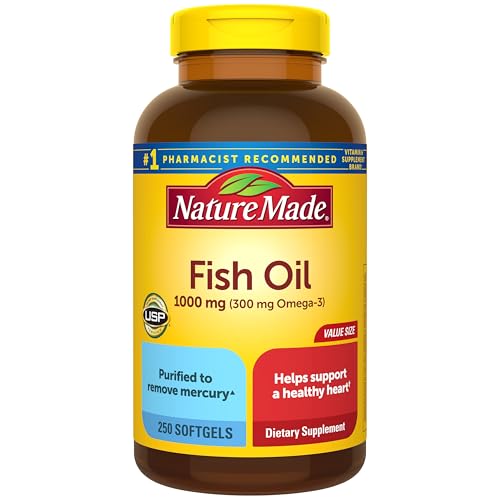
Nature Made Fish Oil Omega 3 Supplements, 1000mg Softgels, Omega 3 Fish Oil for Healthy Heart Support, 250 Softgels, 125 Day Supply
Heart health support supplement: contains one 250 count bottle of Nature Made Fish Oil 1000 mg Softgels for…
As an affiliate, we earn on qualifying purchases.
As an affiliate, we earn on qualifying purchases.

WellPath Soothe Hormone Balance for Women + Cortisol Supplements for Women | Thyroid Support, Mood Support, & Metabolism Booster | Adrenal Support | Rhodiola, Selenium, Iodine | Adaptogens, 60 ct
[Hormone Balance for Women] Our Thyroid & Adrenal Support Supplement is formulated with rhodiola, iodine, & selenium to…
As an affiliate, we earn on qualifying purchases.
As an affiliate, we earn on qualifying purchases.