
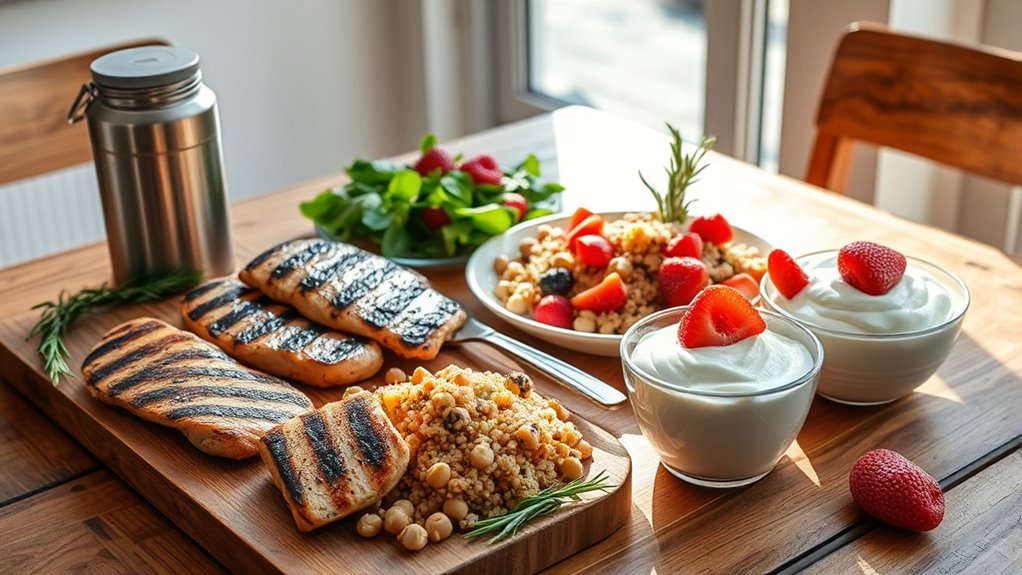
High-protein diets are trending in 2025 because more people are recognizing their benefits for energy, muscle growth, and overall wellness. You’re likely to see a shift toward diverse protein sources, including both meat and plant-based options. These diets help maintain satiety and support weight management without excess cholesterol. Whether it’s quick protein shakes or hearty meals, these strategies simplify your nutrition. Explore how you can embrace a protein-powered lifestyle and make it work for you.
Key Takeaways
- High-protein diets are gaining popularity due to their ability to enhance energy levels and support muscle growth.
- A diverse range of protein sources, including plant-based options, caters to various dietary preferences and health goals.
- Increased awareness of the health benefits of protein consumption encourages individuals to adopt balanced diets rich in essential nutrients.
- Meal replacement strategies, like protein shakes and bars, provide convenience for busy lifestyles while ensuring adequate protein intake.
- Emphasizing hydration and active habits complements high-protein diets, promoting overall wellness and effective protein processing.
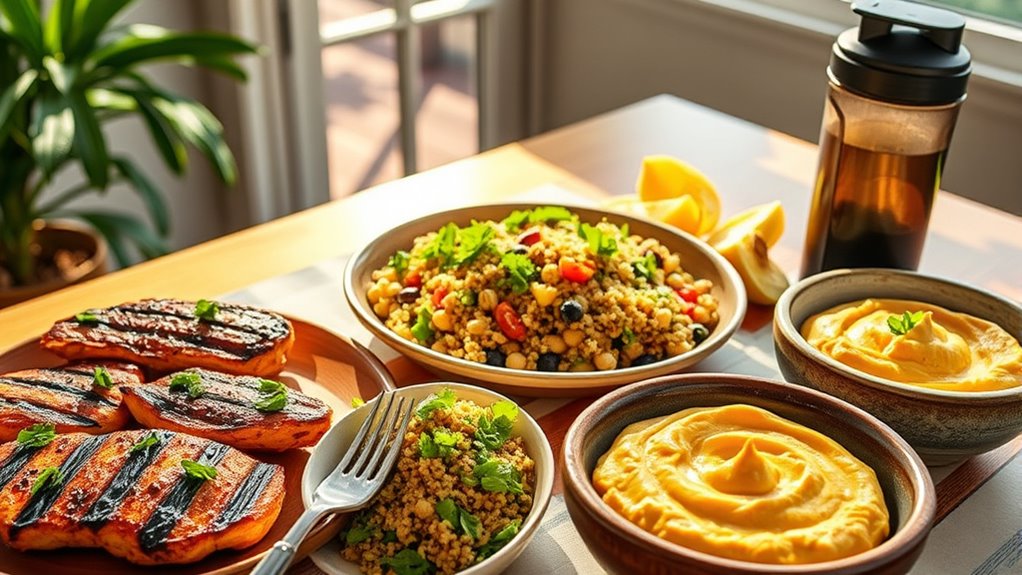
If you’re looking to boost your energy levels and support muscle growth, a high-protein diet might be the answer. In 2025, more people are turning to protein-packed foods to enhance their overall wellness. This trend isn’t just about consuming more meat; it also includes exploring plant-based options that provide the necessary nutrients without the added cholesterol and saturated fats. By incorporating a variety of protein sources, you can maintain a balanced diet while achieving your fitness goals.
When you think about high-protein diets, you might picture grilled chicken or beef steaks. But don’t overlook the power of plant-based options like lentils, chickpeas, and quinoa. These foods not only offer protein but also come packed with fiber and essential vitamins. They can help keep you satiated longer, which is vital if you’re trying to lose weight or simply sustain your energy throughout the day. You can mix and match these ingredients in salads, smoothies, or stir-fries to create delicious meals that support your lifestyle.
Meal replacement strategies are another effective way to guarantee you’re getting enough protein in your diet. Busy schedules often make it challenging to prepare wholesome meals, but meal replacement shakes and bars can come to the rescue. Look for products that are high in protein and low in sugar, as these will keep you feeling full without the unnecessary carbs. You can even make your own protein smoothies at home. By blending your favorite fruits with a scoop of protein powder and some leafy greens, you’ll have a quick and nutritious meal that fuels your day.
Incorporating high-protein foods into your meals doesn’t have to be complicated. You could start your day with Greek yogurt topped with nuts and berries, or whip up some scrambled eggs with spinach for breakfast. For lunch, consider a quinoa salad loaded with vegetables and a side of edamame. As for dinner, a hearty bean chili or a veggie stir-fry with tofu can satisfy your hunger while providing the protein you need to aid muscle recovery. Educational toys can also play a role in promoting healthy habits from a young age by encouraging children to engage in active play.
As you explore these dietary strategies, remember that staying hydrated is just as important. Drinking plenty of water helps your body efficiently process the protein you consume. With a little creativity and planning, you can embrace a high-protein diet that not only boosts your energy but also supports your overall health. So, get started today and enjoy the benefits of a protein-powered lifestyle!

Premier Protein Shake, Chocolate, 30g Protein, No Added Sugar, 24 Vitamins & Minerals to Support Immune Health, 11.5 fl oz, 12 Pack
HIGH PROTEIN & NO ADDED SUGAR: 30g of protein and no added sugar per shake fuels your body…
As an affiliate, we earn on qualifying purchases.
As an affiliate, we earn on qualifying purchases.
Frequently Asked Questions
Can High-Protein Diets Help With Weight Loss?
Yes, high-protein diets can help with weight loss. By increasing protein absorption, you’ll feel fuller longer, which reduces cravings and overall calorie intake. Combining protein with dietary fiber from fruits and vegetables enhances satiety, making it easier to stick to your plan. Plus, the thermic effect of protein means your body burns more calories digesting it. So, if you’re looking to lose weight, consider incorporating more protein into your meals!
Are There Any Risks Associated With High-Protein Diets?
Yes, there are risks associated with high-protein diets. If you consume excessive protein, it can strain your kidneys, especially if you have pre-existing conditions. Additionally, high-protein diets may lead to increased cholesterol levels if they include a lot of red meat and full-fat dairy. It’s important to balance your protein intake with plenty of fruits, vegetables, and whole grains to support overall health while minimizing these risks.
How Do High-Protein Diets Affect Muscle Growth?
“You are what you eat!” High-protein diets considerably enhance muscle growth by promoting muscle synthesis and improving protein absorption. When you consume adequate protein, your body efficiently repairs and builds muscle fibers after workouts. This process leads to increased strength and muscle size over time. If you’re looking to maximize your gains, focusing on protein-rich foods can help you achieve your fitness goals while keeping your energy levels high.
What Are the Best Protein Sources for Vegetarians?
The best protein sources for vegetarians include lentils, chickpeas, and quinoa, which are excellent plant-based proteins. Tofu and tempeh serve as fantastic vegetarian substitutes for meat, packing a protein punch. Don’t forget about nuts, seeds, and dairy products like Greek yogurt, which can also boost your intake. Incorporating a variety of these sources will guarantee you’re getting all the essential amino acids your body needs to thrive.
How Much Protein Do I Need Daily?
You need about 46 grams of protein daily if you’re a woman and 56 grams if you’re a man, according to daily intake guidelines. This amount supports essential protein absorption, helping your body function efficiently. However, your needs might vary based on your activity level, age, and overall health. It’s vital to adjust your intake accordingly to guarantee you’re meeting your body’s demands and maintaining a balanced diet.
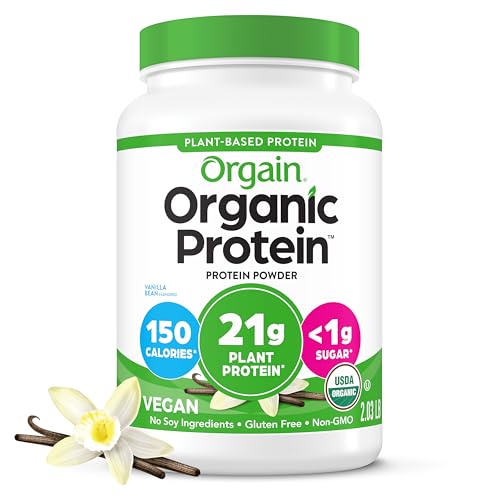
Orgain Organic Vegan Protein Powder, Vanilla Bean – 21g Plant Protein, 6g Prebiotic Fiber, No Lactose Ingredients, No Added Sugar, Non-GMO, For Shakes & Smoothies, 2.03 lb (Packaging May Vary)
CLEANER INGREDIENTS: 21g of Organic plant based protein and 1g sugar. Our protein blend contains Organic peas, brown…
As an affiliate, we earn on qualifying purchases.
As an affiliate, we earn on qualifying purchases.
Conclusion
As you embrace the high-protein trend in 2025, remember that a study found 60% of people on high-protein diets report feeling more energetic and satisfied throughout the day. By prioritizing protein, you’re not just fueling your body; you’re enhancing your overall well-being. So, whether you’re whipping up a hearty breakfast or planning a post-workout meal, keep those protein sources in mind. You’ll not only feel great but also enjoy the journey to a healthier you!

Pure Protein Chocolate Peanut Butter Protein Bars – 20g Protein, 3g Sugar, 190 Calories (12 count) Low Sugar* High Protein Snack – Gluten Free – Perfect for a Healthy Snack
Protein Bars Low Sugar* High Protein – this bar contains just 3g of sugar and balanced macros, offering…
As an affiliate, we earn on qualifying purchases.
As an affiliate, we earn on qualifying purchases.

Optimum Nutrition Gold Standard 100% Whey Protein Powder, Double Rich Chocolate 1.98 Pound (Packaging May Vary)
24 g High-Quality Whey Protein per Scoop – 100% of the protein from whey for a fast-absorbing, complete…
As an affiliate, we earn on qualifying purchases.
As an affiliate, we earn on qualifying purchases.