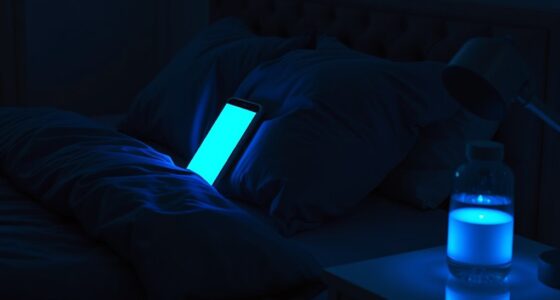


Your circadian rhythms play a crucial role in your mental health, influencing your sleep, mood, and overall well-being. If your sleep patterns don’t align with your natural biological clock, you might face sleep disturbances and increased anxiety. To enhance your mental wellness, try maintaining a consistent sleep schedule, minimizing screen time at night, and ensuring exposure to natural light during the day. There’s much more to explore about how to optimize your routine for better mental health.
Key Takeaways
- Aligning sleep schedules with natural circadian rhythms improves mental health and reduces anxiety by promoting consistent sleep-wake cycles.
- Regular exposure to natural light during the day enhances melatonin production at night, supporting better sleep quality.
- Establishing a consistent sleep routine helps reinforce natural biological rhythms and facilitates easier sleep onset and awakening.
- Limiting screen time before bed prevents melatonin disruption, aiding in the maintenance of healthy sleep patterns.
- Light therapy and outdoor activities during winter can alleviate seasonal affective disorder symptoms by helping regulate circadian rhythms.
As you go about your daily routine, you might not realize how much your body’s internal clock influences your mental health. This internal clock, known as your circadian rhythm, regulates various biological processes, including sleep-wake cycles, hormone release, and even mood fluctuations. If you’re struggling with your mental well-being, it might be worth examining how well your circadian rhythms align with your lifestyle.
One vital aspect of your circadian rhythm is melatonin secretion. Your body produces melatonin, the hormone responsible for regulating sleep, in response to darkness. When the sun sets, melatonin levels rise, signaling the body that it’s time to wind down. Conversely, exposure to light, especially screens, can inhibit melatonin production. If you find yourself staying up late, scrolling through your phone, or working under bright lights, you might be sabotaging your natural sleep cycle. This disruption can lead to sleep disorders, increased anxiety, and even contribute to conditions like seasonal affective disorder (SAD).
Melatonin regulates sleep in response to darkness, but screen exposure disrupts this cycle, leading to anxiety and sleep disorders.
SAD is a type of depression that occurs at a specific time of year, usually in the winter when daylight hours are shorter. This condition can leave you feeling lethargic, irritable, and unmotivated. Understanding how your circadian rhythm interacts with seasonal changes can help you cope better. For instance, exposure to natural light during the day can enhance melatonin secretion at night, improving your sleep quality. If you’re experiencing symptoms of SAD, consider taking short walks outside during daylight hours, even on cloudy days. This simple adjustment can help regulate your body’s internal clock and lift your mood.
Additionally, creating a consistent sleep schedule can enhance your mental health. Try to go to bed and wake up at the same time every day, even on weekends. This practice reinforces your body’s natural rhythms, making it easier for you to fall asleep and wake up refreshed. Avoid caffeine and heavy meals close to bedtime, as they can disrupt your sleep cycle. Instead, establish a relaxing evening routine that signals your body it’s time to rest. Moreover, understanding the importance of color accuracy in visual environments can also influence your mental state, as proper lighting can enhance your comfort and relaxation.
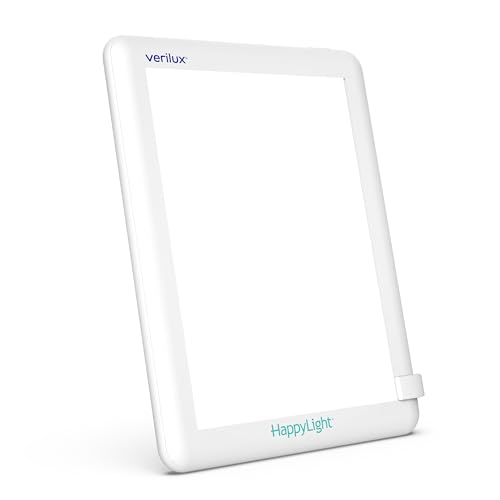
Verilux HappyLight Lucent – One-Touch Light Therapy Lamp with 10,000 Lux, UV-Free, LED Bright White Light & Detachable Stand for Boosting Mood & Improving Sleep
One-Button Light Therapy: The easiest light therapy lamp you’ll ever use! Just press the on/off button and you’re…
As an affiliate, we earn on qualifying purchases.
As an affiliate, we earn on qualifying purchases.
Frequently Asked Questions
How Do Circadian Rhythms Affect Physical Health?
Circadian rhythms critically impact your physical health by regulating hormonal balance and metabolic processes. When your body’s internal clock is aligned, it optimizes hormone release, aiding in energy management and appetite control. Disruptions can lead to issues like weight gain and increased stress levels. By maintaining a consistent sleep schedule, you can support these essential functions, promoting better overall health and reducing the risk of chronic conditions. Prioritizing your circadian rhythm is vital for well-being.
Can Diet Influence Circadian Rhythms?
Yes, diet can influence circadian rhythms. Meal timing plays a vital role; eating at consistent times helps regulate your internal clock. If you consume meals late or irregularly, it might disrupt your sleep-wake cycle. The nutrient impact is also significant—foods rich in omega-3 fatty acids and antioxidants can support your circadian health. So, be mindful of when and what you eat to help keep your body’s rhythms in sync.
What Role Does Light Exposure Play in Sleep?
Light exposure plays a vital role in regulating your sleep. When you get natural light during the day, it helps boost your mood and keeps your circadian rhythm on track. If you struggle with sleep, consider light therapy in the morning to enhance alertness. At night, reduce blue light exposure to encourage melatonin production, which signals your body it’s time to sleep. This balance can greatly improve your overall sleep quality.
Are There Apps to Track Circadian Rhythms?
Yes, there are several apps designed to track your circadian rhythms! Interestingly, studies show that over 80% of people fail to maintain a consistent sleep schedule. Using sleep cycle apps can help you identify patterns in your sleep, making it easier to adjust your routine. Additionally, if you’re considering melatonin supplements, tracking your sleep can help you determine the right timing for ideal results. So, start exploring those apps today!
How Can Shift Workers Manage Their Circadian Rhythms?
To manage your circadian rhythms as a shift worker, prioritize good sleep hygiene. Create a dark, quiet sleep environment to signal to your body it’s time to rest. Stick to a consistent sleep schedule, even on days off, to help regulate your internal clock. Limit caffeine and screen time before bed, and consider using blackout curtains. Incorporating these practices can help you adapt more effectively to your irregular work hours.

Nature Made Melatonin 5mg Tablets Extra Strength, 100% Drug Free Sleep Aid for Adults, 90 Tablets, 90 Day Supply
Occasional use sleep support supplement: Contains one 90 count bottle of Nature Made 5 mg melatonin tablets for…
As an affiliate, we earn on qualifying purchases.
As an affiliate, we earn on qualifying purchases.
Conclusion
In summary, syncing your sleep with your circadian cycles can notably strengthen your mental health. By embracing this essential connection, you’ll boost your mood, enhance your energy, and elevate your everyday experiences. Don’t underestimate the power of a good night’s rest; prioritize your sleep, and watch as your well-being flourishes. Remember, it’s all about aligning your activities with your internal clock for a brighter, better you! Sleep smart, and savor the sweet benefits!

livho Gaming Blue Light Blocking Glasses for Better Sleep, Premium Night Driving, Computer Blockers for Man & Woman
REDUCE EYE STRAIN: These glasses for computer eye strain limit your blue-light exposure and alleviate eye strain, headaches,…
As an affiliate, we earn on qualifying purchases.
As an affiliate, we earn on qualifying purchases.
natural light alarm clock
As an affiliate, we earn on qualifying purchases.
As an affiliate, we earn on qualifying purchases.