

TL;DR

Get the little things that make your day delivered free with Prime
- Fast, free delivery on millions of items
- Prime Video, Amazon Music and more included
- Member-only deals all year
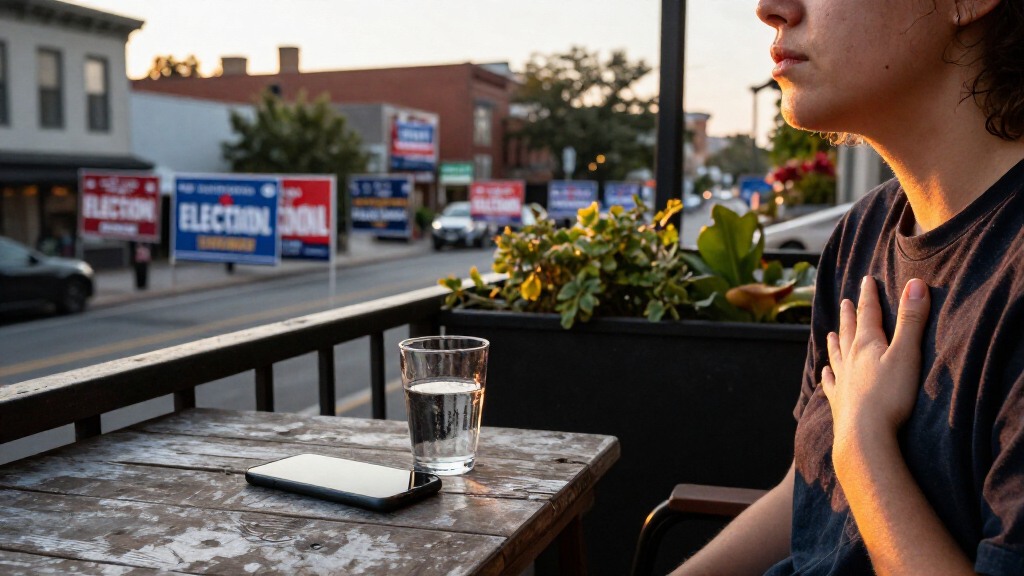
The Good Trade published a list of 99 mantras intended to help readers manage anxious thoughts, including during election season. The article presents meditation and mindful attention as personal coping practices; it does not report new clinical research or establish that the mantras treat anxiety.
The Good Trade has published a list of 99 mantras for people seeking ways to slow anxious thoughts, including amid election-season news and debate. The lifestyle guide recommends choosing a phrase for meditation or adapting it to personal use, while framing the practice as a coping tool rather than a substitute for professional mental-health care.
The article links election-season stress to a wider experience of being pulled between emotionally charged items online: breaking news, arguments, advertising, misinformation, and entertainment. It describes that sequence as a typical internet scroll, but the source material does not cite a specific study or measurement to establish how common the experience is or what effects it has for readers.
The mantras are organized around themes that include a person’s relationship with themselves and with other people. Examples in the supplied text include “I can survive any emotion,” “I exhale tension. I inhale calm,” and “My peace is mine to protect.” Others encourage patience, compassion, listening, and choosing where to spend emotional energy.
The guide suggests that readers can use a mantra during meditation, and says a practice could last two minutes or 20 minutes. It also names Insight Timer, Calm, and Headspace as apps that may provide guidance. Those are recommendations from the article, not evidence that any one app or phrase works for everyone.
Mantras as a Personal Coping Practice
Election seasons can bring political disagreements and frequent exposure to news into everyday routines. A short phrase may give some readers a simple point of focus during meditation or a pause before reacting to a stressful post or conversation. The guide’s value is practical and personal: it offers language readers can try, rather than reporting a policy development or a new finding about anxiety.
The distinction matters because the source presents mindfulness as a way to support wellbeing, not as a guaranteed fix. The 99 phrases vary in emphasis, from acknowledging difficult feelings to setting boundaries in conversations. Readers may find some useful and others unsuitable; the article does not claim that repeating a mantra resolves the causes of political anxiety or replaces care from a qualified professional.
Popular right now

Bose QuietComfort Headphones (2nd Gen), Wireless Over-Ear Noise-Cancelling Headphones, Hazelnut Taupe

Ninja Flip Toaster Oven & Air Fryer, Large Capacity, Stainless, SP151

Hisense 85 U7 Mini-LED ULED 4K UHD Smart Google TV (85U7SG, 2026)
As an affiliate, we earn on qualifying purchases.
The Guide’s Digital-News Focus
The source article begins with the emotional variety of online life, describing how a person can move quickly from entertaining videos to comparison, advertising, conflict, and coverage of serious events. It argues that this constant change in attention may feel especially difficult when political issues are being debated. That is the article’s framing, rather than a new finding tied to a named survey or research study.
Its proposed response combines mindful use of the internet with meditation and attention to one’s inner experience. The article says readers might cut down on screen time or unplug, but the supplied material centers on mantras as an accessible addition. It also invokes mindfulness research in general terms without identifying individual studies, so the specific evidence behind that reference cannot be evaluated from the material provided.
““I have a choice to anchor my mind in the environment I create inside myself, creating a refuge I have access to at all times.””
— The Good Trade article
Limits of the Source Evidence
The supplied source material does not state when the guide was published, provide details about the research it references, or report a clinical evaluation of the 99 mantras. It also does not establish that the phrases have been shown to reduce anxiety specifically during election seasons. The article describes potential uses and personal practices, rather than reporting measured outcomes.
It remains a matter of individual experience whether a particular phrase or meditation routine feels helpful. The source does not explain how readers should respond if anxiety persists, disrupts daily life, or requires professional support; nor does it present the mantras as medical treatment.
How Readers Can Use the List
The guide invites readers to select a mantra that resonates, adapt one in their own words, and use it in a meditation practice. It suggests starting with a short period of focused attention and mentions guided-meditation apps for those who prefer instruction. No follow-up study, update, or new reporting milestone is identified in the source material.
Readers should treat the suggestions as optional self-reflection tools. Those experiencing persistent or severe anxiety can seek advice from a qualified mental-health professional rather than relying on a mantra alone.
Key Questions
What is the news?
The Good Trade published a guide with 99 mantras intended to help readers slow anxious thoughts through meditation and self-reflection, including during election season.
Does the article say the mantras are proven to treat anxiety?
No. The supplied material presents the phrases as possible tools for a personal mindfulness practice. It does not report clinical testing or establish that they treat anxiety.
How does the guide suggest using a mantra?
It suggests choosing a phrase that feels relevant, repeating or reflecting on it during meditation, or adapting it into language of the reader’s own. It says a session might be as short as two minutes.
What themes do the mantras cover?
The examples include accepting emotions, calming the breath, setting boundaries, listening with empathy, and choosing where to direct one’s attention and energy.
What should readers do if anxiety continues?
The guide does not provide a clinical care plan. Readers whose anxiety is persistent, severe, or affecting daily life may wish to consult a qualified mental-health professional.
Source: thegoodtrade.com