TL;DR

Get the little things that make your day delivered free with Prime
- Fast, free delivery on millions of items
- Prime Video, Amazon Music and more included
- Member-only deals all year
A headline says U.S. Marines are assessing their conduct for self-improvement. No accompanying article text is available to confirm where or when this occurred, who took part, or what the assessment found.
A headline describes U.S. Marines assessing their conduct as an effort at self-improvement, but the available report contains no article text explaining the event. The setting, date, participants and any conclusions from the assessment are not identified, leaving the development difficult to evaluate beyond the headline.
The wording indicates that Marines are examining their own conduct, with self-improvement presented as the purpose. It does not say whether this was an individual reflection, a group discussion, a formal training activity or part of a broader military program. No unit, installation or event is named.
There are also no reported findings, recommendations or follow-up actions. The headline does not describe particular behavior being reviewed, say whether the assessment was prompted by a specific incident, or identify anyone who discussed its aims. No direct quotations or official statements are available in the material provided.
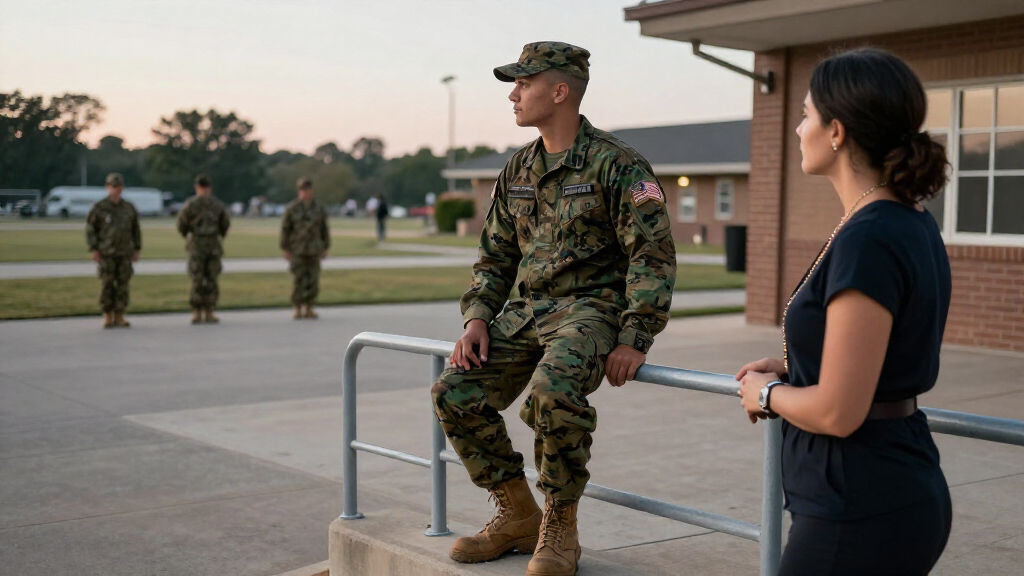
The item is marked “Image 8 of 10,” suggesting it may belong to a larger image sequence or gallery. That label alone does not establish what the other images show or provide additional information about the activity. The report’s wording is the only available account of the development.
U.S. Marines Assess Their Conduct for Self-improvement
A headline describes a conduct assessment framed as an effort at self-improvement. The available material provides no article text to confirm the setting, participants, process or outcome.
A narrow account, with open questions
The item identifies U.S. Marines and describes an assessment of their conduct for self-improvement. It does not establish whether this was individual reflection, a group discussion, formal training or part of a broader program.
Who
U.S. Marines are identified as the people assessing their conduct. No names, unit or participant count are provided.
Why
The assessment is framed as an effort toward self-improvement. The report gives no further explanation of its aims.
What followed
No findings, recommendations, policy changes, training or follow-up actions are reported.
Purpose alone does not show impact
In a military organization, expectations for behavior can shape teamwork and the performance of duties. A review framed around self-improvement may give participants a chance to reflect and identify areas for change. This item does not explain how the review worked or whether any change resulted.
What can be said
- The headline describes an assessment of conduct.
- Self-improvement is presented as its purpose.
- The available account is too brief to evaluate the process.
What cannot be concluded
- Whether the activity was routine or prompted by a concern.
- Whether it related to a particular incident.
- Whether participants changed their behavior or received follow-up.
What further reporting would establish
The headline is the only account available here. These are the details readers would need to understand the activity and any effect it had.
What remains unknown
When and where?
No date, location or current status is supplied.
What did the assessment involve?
The headline does not describe the activity or the conduct reviewed.
What did it find?
No results, recommendations or conclusions are reported.
What does “Image 8 of 10” show?
The label suggests a sequence or gallery, but no image descriptions or captions are available to verify its contents.
Why Conduct Reviews Matter
Assessments of conduct can matter in a military organization because expectations for behavior affect how personnel work together and carry out their duties. A review framed around self-improvement may provide a way for participants to reflect on their actions and identify areas for change. In this case, however, the headline does not establish how the assessment was conducted or whether it produced any change.
That distinction matters to readers. Without details about the process, it is not possible to tell whether this was routine professional development, a response to a concern, or a standalone activity. Nor can the report support conclusions about the Marines’ conduct more broadly. The confirmed information is limited to the headline’s description of an assessment and its stated self-improvement purpose.
Popular right now

Breville Bambino Espresso Machine, Brushed Stainless Steel (BES450BSS)

De'Longhi Rivelia Automatic Espresso Machine with Milk Frother

Dyson Cyclone V10 Origin Cordless Vacuum
As an affiliate, we earn on qualifying purchases.
What the Headline Establishes
The available item provides a brief headline rather than an extracted article. It identifies U.S. Marines and describes them as assessing their conduct for self-improvement, but supplies no publication date, location, unit or explanation of the procedure. There is no timeline or earlier development included for comparison.
The gallery-style marker, “Image 8 of 10,” indicates an image sequence may have accompanied the item. It cannot, on its own, verify the people pictured, their roles, or the purpose and outcome of the activity. No captions or image descriptions are supplied here, so those details should not be inferred.
Key Details Remain Missing
The date and location of the assessment are not stated, and the Marines or unit involved are not identified. It is also unclear whether the activity took place in person, what conduct was discussed, who organized it, and whether participation was voluntary or part of formal training.
No results or next steps are reported. The available information does not confirm that any policy, training or behavior changed, and it does not connect the assessment to a particular incident. Without the full article or additional reporting, those points remain unknown rather than established facts.
Details Needed to Clarify
Further reporting or an accessible full article would be needed to establish when and where the assessment occurred, which Marines took part and how the exercise was organized. A description of the activity and any statements from the unit or organizers could clarify what “assess their conduct” means in practice.
Readers should also look for confirmed information about whether the review produced recommendations or led to follow-up training. Until such details are available, the development can be described only as a headline-reported self-improvement assessment, with its scope and outcome unconfirmed.
Source: rss
Key Questions
What did the Marines do?
The headline says U.S. Marines assessed their conduct for self-improvement. It does not describe the assessment process.
When and where did it happen?
The date and location are not provided in the available report.
What did the assessment find?
No findings, recommendations or outcomes are reported.
Was the assessment linked to a specific incident?
The headline does not say whether a particular incident prompted the activity, so a connection cannot be confirmed.
What does “Image 8 of 10” mean?
It appears to be a gallery or image-sequence label. No accompanying captions or descriptions establish what the images show.
Source: news.google.com