
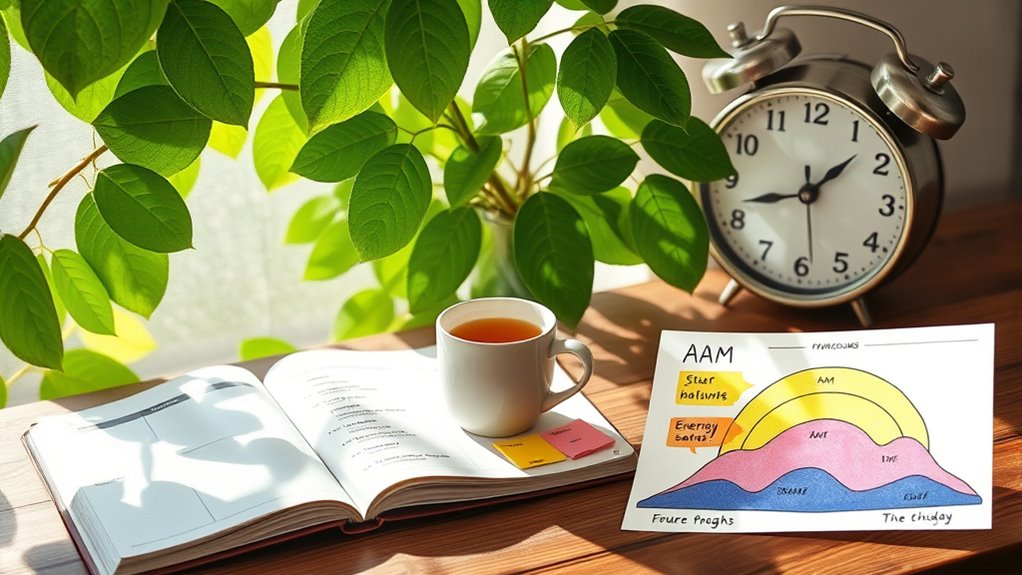

To map tasks to your circadian rhythm, start by tracking your energy levels over a week or two. Notice when you feel most alert and when your focus dips. Align demanding tasks with your peak energy times, usually in the morning, and save lighter work for low-energy periods. Incorporate short breaks to recharge during those dips. This approach can boost your productivity and well-being, and there’s more to explore about optimizing your schedule for maximum efficiency.
Key Takeaways
- Track your daily energy levels for one to two weeks to identify personal productivity peaks and troughs.
- Schedule demanding tasks during high-energy periods, typically in the morning, for optimal focus and efficiency.
- Assign lighter tasks to low-energy times, such as afternoons, to maintain productivity without overwhelming yourself.
- Incorporate short breaks strategically during low-energy periods to refresh focus and prevent burnout.
- Align your daily routines with your natural energy rhythms to enhance well-being and job satisfaction.
As you navigate the complexities of modern work environments, energy-based scheduling offers a practical approach to maximize productivity and well-being. This method aligns your tasks with your biological rhythms, ensuring that you tackle the most demanding work during your natural productivity peaks. By recognizing when you’re at your best, you can optimize your daily schedule and make the most of your energy levels.
You might have noticed that some days you feel more focused and energized while others drag on. This fluctuation is part of your biological rhythms, which dictate your energy levels throughout the day. For many, productivity peaks in the morning, allowing you to tackle challenging tasks with clarity and vigor. Conversely, you might find your energy waning in the afternoon, making it harder to maintain focus or motivation. Understanding these patterns not only helps you schedule your work effectively but also reduces stress and enhances your overall well-being.
To implement energy-based scheduling, start by tracking your daily energy levels for a week or two. Note when you feel most alert and when you’re prone to fatigue. This tracking can reveal your unique productivity peaks. Once you identify these patterns, you can structure your day around them. For instance, if you’re most productive in the early hours, reserve that time for tasks requiring intense concentration, like strategic planning or complex problem-solving. Save lighter tasks, such as responding to emails or organizing your workspace, for when your energy dips.
It’s also essential to contemplate the role of breaks in this scheduling approach. Short breaks can rejuvenate your mind, helping maintain your productivity throughout the day. During your lower energy periods, don’t hesitate to step away from your work. A quick walk or a few minutes of stretching can do wonders for your focus and motivation. By integrating these breaks strategically, you can recharge and return to your tasks with renewed vigor.
Incorporating energy-based scheduling into your routine isn’t just about maximizing efficiency; it’s about fostering a healthier work-life balance. By respecting your biological rhythms and aligning your tasks accordingly, you’ll likely find that your productivity not only improves but your overall satisfaction with your work increases. As you strive for greater balance, consider the importance of community resilience in supporting your well-being during fluctuating energy levels. So, take charge of your schedule, listen to your body, and watch how energy-based scheduling transforms your work experience.

Wellness Planner & Fitness Log – Daily Diet & Health Journal with Weight Loss, Wellness Journal Notebook for Tracking Fitness, Sleep, Nutrition, Meal, Habits, A5(5.8 x 8.6 inch) (Black Silvery)
EMBRACE A HOLISTIC WELLNESS JOURNEY – Our daily wellness journal is designed to inspire both women and men…
As an affiliate, we earn on qualifying purchases.
As an affiliate, we earn on qualifying purchases.
Frequently Asked Questions
How Does Diet Affect My Circadian Rhythm?
Your diet importantly affects your circadian rhythm. Meal timing plays a vital role; eating at consistent times helps regulate your body’s internal clock. If you consume heavy meals late at night, it can disrupt your sleep cycle. Additionally, nutrient intake matters—foods rich in fiber, protein, and healthy fats can support stable energy levels throughout the day. By aligning your meals with your natural rhythm, you’ll enhance both your energy and overall well-being.
Can Exercise Improve My Energy Levels Throughout the Day?
Regular exercise can boost your energy levels throughout the day. Think of it as your personal superhero cape—put it on, and you’ll feel invincible! When you time your workouts right, you can enhance metabolic effects, leading to increased stamina and focus. Morning or midday sessions can kickstart your day, while afternoon workouts can revitalize you for the evening. So, lace up those sneakers and release your inner energy powerhouse!
What Are the Signs of a Disrupted Circadian Rhythm?
You’ll notice signs of a disrupted circadian rhythm like insomnia, fatigue, and trouble concentrating. If you’ve experienced jet lag or work shifts, these symptoms can become more pronounced. You might find yourself feeling sleepy at odd hours, or unable to wake up in the morning. Mood swings and increased irritability can also signal that your body’s internal clock is out of sync. Listening to these signs can help you regain balance in your routine.
How Do Light Exposure and Sleep Quality Interact?
Imagine your body as a finely tuned orchestra, where light exposure and sleep quality create a harmonious symphony. When you use light therapy, you enhance your melatonin regulation, helping your body know when to sleep and wake. Bright light in the morning can lift your mood, while dim light at night signals it’s time to wind down. This dance between light and sleep ensures you feel energized and balanced throughout your day.
Are There Specific Tasks Better Suited for Evening Productivity?
Yes, some tasks are definitely better suited for evening productivity. If you notice your evening focus peaks, consider tackling creative projects, brainstorming sessions, or any work that requires deep thinking. Night tasks, like reviewing documents or planning for the next day, can also benefit from your heightened concentration. By aligning your responsibilities with your natural rhythms, you’ll find yourself more efficient and motivated during those late hours.
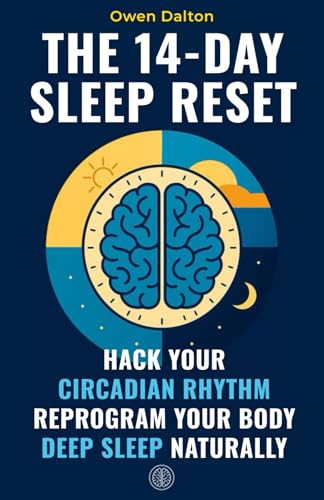
The 14-Day Sleep Reset: Hack Your Circadian Rhythm, Reprogram Your Body and Sleep Deeply Without Pills, Pressure or Perfection
As an affiliate, we earn on qualifying purchases.
As an affiliate, we earn on qualifying purchases.
Conclusion
Incorporating energy-based scheduling into your routine can feel like finding the perfect rhythm in a symphony. By aligning your tasks with your natural circadian rhythms, you not only boost productivity but also enhance your overall well-being. So, embrace this approach, tune into your body’s signals, and watch how your day transforms into a harmonious blend of focused work and rejuvenating breaks. Remember, when you work with your energy, you’re setting the stage for success!

Pomodoro Smart Timer – A Productivity Timer App
Support multiple languages (include English), easy to change languages
As an affiliate, we earn on qualifying purchases.
As an affiliate, we earn on qualifying purchases.

MOSISO Wrist Rest Support for Mouse Pad&Keyboard Set, Circle Curved Ergonomic Mousepad&Coaster Non-Slip Base Home/Office Pain Relief&Easy Typing Pad with Soft Cloth&Silicone Lining, Antique Green
Dimension of keyboard wrist rest: 17.32 x 3.15 inch, that of circle curved mousepad wrist support: 9.65 x…
As an affiliate, we earn on qualifying purchases.
As an affiliate, we earn on qualifying purchases.